

Field Notes: Engineering QA/QC and the Audit Trail
The most dangerous phrase on any project is 'we checked that.' A check you cannot produce is a check that never happened.
Read more →Insights
Practical guidance on capital projects, governance, financing, and delivery for Indigenous and public-sector leaders.
The most dangerous phrase on any project is 'we checked that.' A check you cannot produce is a check that never happened.
Read more →
A project can look finished and not be done. Score your handover before the owner scores it for you.
Read more →
Almost no capital plan fails on the page. It dies in the months afterward, in a thousand small decisions nobody wrote down.
Read more →
Ontario alone is trying to build or upgrade 58,000 long-term care beds by 2028, and as of early 2026 roughly 26,000 are open, under construction, or approved. Behind every one of those beds is a paper trail that decides whether it opens on time, on budget, and inspection-ready.
Read more →
A tailings dam can stand for decades and must never fail. The global standard now judging them is, at its core, a records-and-governance test - a documented knowledge base, an operations manual, monitoring data, and a named accountable executive. The safety is in the record.
Read more →
The renovation crew trusted the drawing stamped 'final.' Two hours in, a saw blade found a live feeder the as-built swore wasn't there.
Read more →
The monthly report isn't hard to write. It's hard because you rebuild it from scratch every month. Structure the record and the report writes itself.
Read more →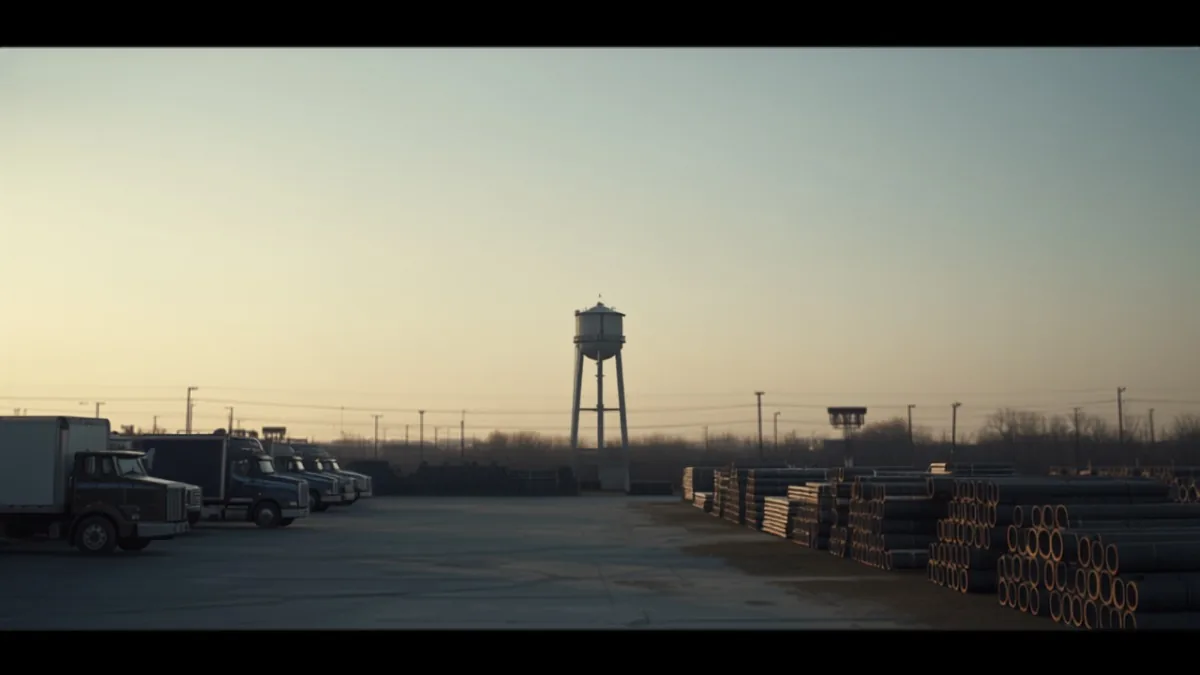
A municipality's asset register is a billion-dollar promise. It's only as real as the install dates, inspections, and repair logs underneath it.
Read more →
Pick one project and count where its truth actually lives right now. For most, the honest number would alarm the people running it.
Read more →
A government can mean every word of its openness pledge and still fail it — not through cover-up, but through disorganization. You can only disclose what you can find.
Read more →
A regulated utility earns a return only on the capital it can prove it prudently built and put into service. As Canada's utilities enter a multi-billion-dollar investment cycle, the record behind the rate base is quietly becoming the asset behind the asset.
Read more →
Canada's Auditor General just flagged a significant deficiency in a Crown corporation's asset maintenance - more than a quarter of its assets in fair, poor, or critical condition. Behind that finding is a governance problem every public agency shares: you cannot prove you are stewarding what you cannot see.
Read more →