
May 15, 2026 · 2 min read
Northern Canada faces a housing crisis of unprecedented scale. According to recent research, housing shortages, poor housing conditions, and inadequate infrastructure have persisted since the mid-twentieth century. The challenges are compounded by geographic isolation, climate extremes, and limited construction capacity. For Band Councils in northern regions, addressing housing and infrastructure deficits requires strategic, long-term planning that extends beyond annual funding cycles....
Read more →

May 15, 2026 · 2 min read
Effective capital project governance is the foundation of successful infrastructure development in First Nations communities. As federal funding mechanisms expand and project complexity increases, Band Councils must establish robust governance frameworks that ensure accountability, transparency, and optimal resource allocation. Poor governance undermines even well-funded initiatives; strong governance transforms funding into lasting community assets. The Governance Gap Many First Nations...
Read more →

May 15, 2026 · 2 min read
The Canada Indigenous Loan Guarantee Corporation, launched in December 2024 as part of the 2024 Fall Economic Statement, represents a transformative shift in how Indigenous communities access capital for economic development and infrastructure projects. This program addresses a critical barrier: lack of collateral and credit history that traditionally excluded Indigenous entrepreneurs and communities from conventional financing. For Band Councils and Indigenous organizations, the loan...
Read more →

May 15, 2026 · 2 min read
Canada's 2025 Federal Budget represents a watershed moment for Indigenous infrastructure development. With unprecedented investments in housing, community infrastructure, and capital project support, Band Councils and Indigenous leaders now face both opportunity and complexity in accessing these resources. Understanding the landscape of available funding mechanisms is essential for organizations seeking to advance critical community projects. The Challenge: Fragmented Funding Landscape While...
Read more →
May 14, 2026 · 2 min read
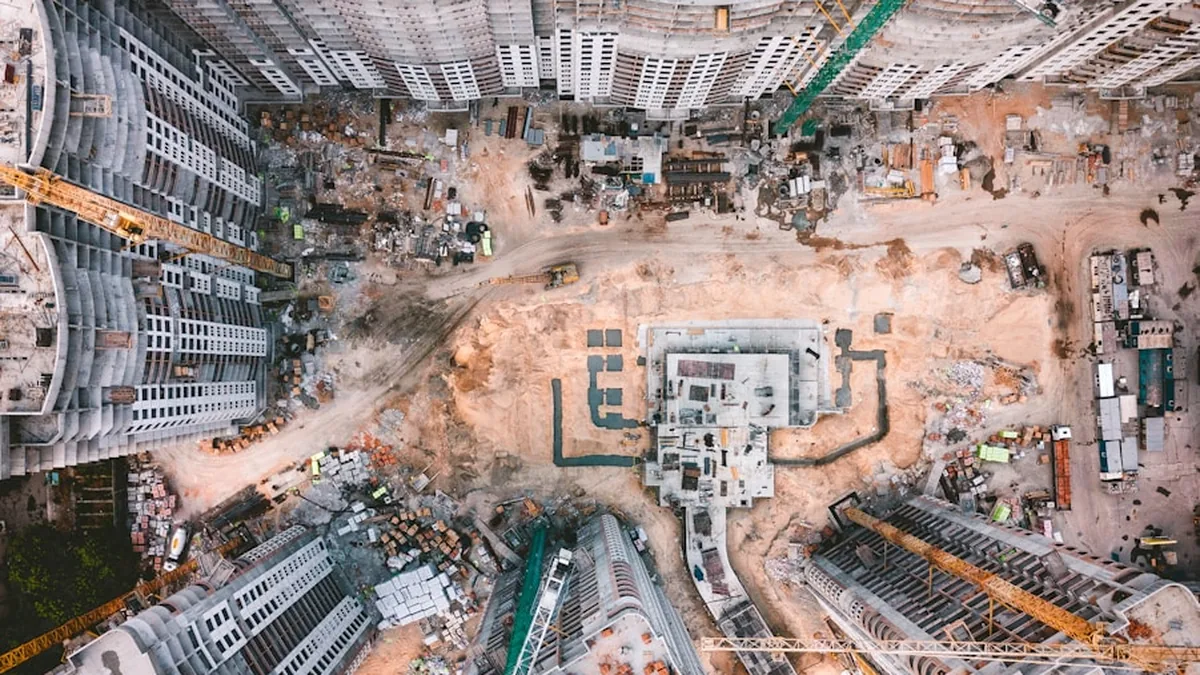
Infrastructure projects create employment opportunities. Yet many Indigenous communities lack the skilled workforce to fill these positions, forcing communities to hire external workers and losing economic benefits. Strategic workforce development transforms infrastructure projects into capacity-building opportunities, creating local employment, building skills, and strengthening community economic development. The Challenge: Skills Gaps and External Hiring Infrastructure projects require...
Read more →
May 14, 2026 · 1 min read
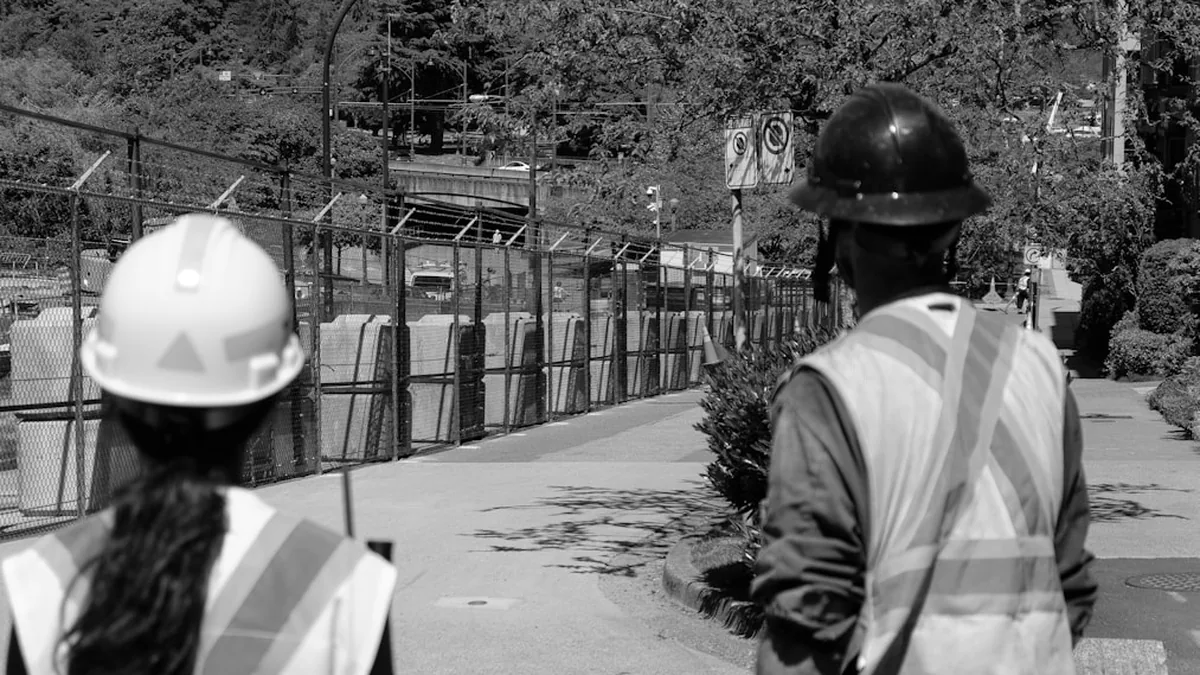
Infrastructure maintenance is not a cost—it is an investment in community resilience. Yet many Indigenous communities defer maintenance due to budget constraints, leading to accelerated asset deterioration, service disruptions, and emergency repairs that cost far more than preventive maintenance. Communities that develop strategic maintenance planning prevent asset failure, ensure reliable service delivery, and protect community investments. The Challenge: Deferred Maintenance and Emergency...
Read more →

May 14, 2026 · 2 min read
Remote and northern Indigenous communities face unique infrastructure challenges: geographic isolation, harsh climate conditions, and limited connectivity. Digital infrastructure—broadband networks, data systems, and technology platforms—is no longer optional. It is foundational to economic development, education, healthcare delivery, and community resilience. Communities that prioritize digital infrastructure investment position themselves for long-term prosperity and self-determination. The...
Read more →

May 14, 2026 · 2 min read
Federal infrastructure funding programs provide significant capital for Indigenous communities, yet most programs require communities to contribute matching funds or leverage additional financing. Communities that develop diversified financing models—blending federal grants with alternative funding sources—maximize their infrastructure investment capacity and reduce reliance on single funding streams. This strategic approach unlocks projects that would otherwise remain unfunded. The...
Read more →
May 14, 2026 · 2 min read
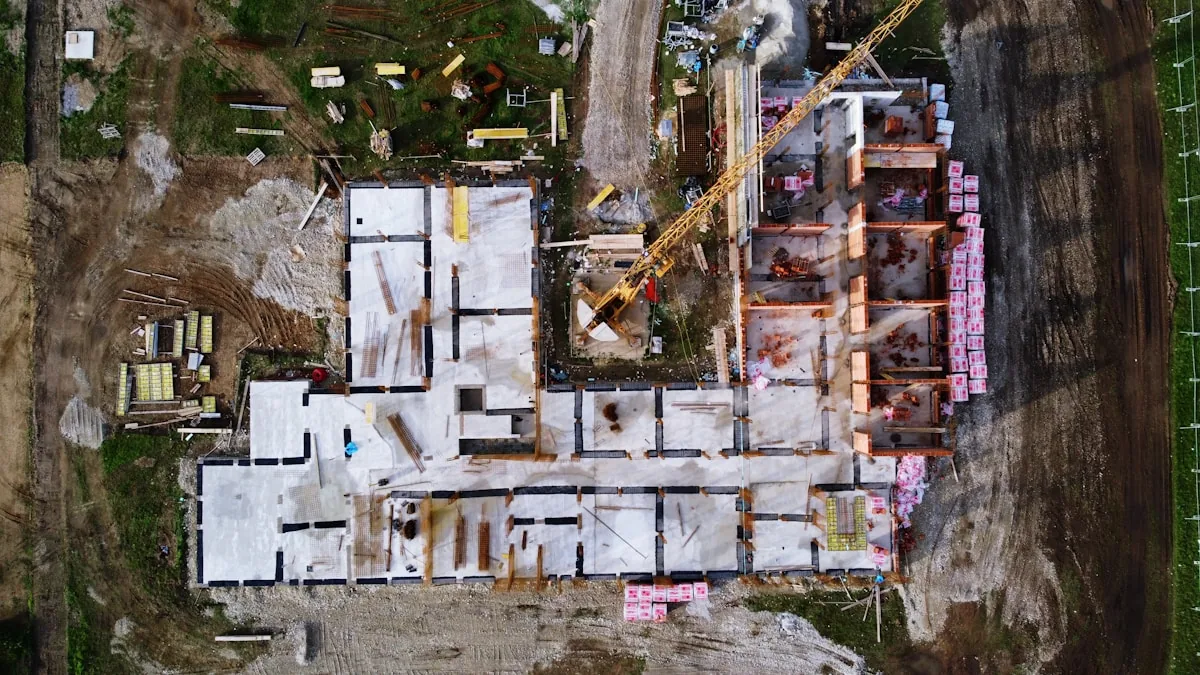
Infrastructure projects fail not because of technical complexity, but because stakeholders—community members, leadership, staff, and external partners—are not aligned. Stakeholder engagement is the strategic process of identifying, communicating with, and building support among all parties affected by or involved in a project. Communities that prioritize stakeholder engagement experience fewer delays, lower costs, and stronger community support for infrastructure initiatives. The Challenge:...
Read more →

May 14, 2026 · 2 min read
Infrastructure projects represent significant capital investments for Indigenous communities. Yet many communities struggle to extract maximum value from these investments after construction ends. Asset management—the systematic approach to maintaining, monitoring, and optimizing infrastructure performance—is the difference between infrastructure that delivers decades of value and infrastructure that deteriorates rapidly, creating service disruptions and costly emergency repairs. The...
Read more →

May 14, 2026 · 2 min read
Launched in September 2025, the Build Canada Homes program represents a transformational shift in federal housing policy for Indigenous communities. This new initiative consolidates multiple housing programs into a single, streamlined funding mechanism designed to accelerate housing development across urban, rural, and northern Indigenous communities. For Band Councils and Indigenous organizations, understanding and accessing this program is critical to addressing decades of housing deficits....
Read more →

May 14, 2026 · 6 min read
Ask anyone running shared-ownership projects with many partners what kept them up in 2026, and the new premium on delivery-readiness is only half the answer.
Read more →
