Climate Adaptation as Infrastructure Strategy: Accessing First Nation Adapt Program Funding
Climate change is reshaping infrastructure priorities across Canada. For First Nations communities, climate adaptation is no longer a future concern—it is an immediate operational reality. The First Nation Adapt Program, administered by Crown-Indigenous Relations and Northern Affairs Canada, is funding climate resilience projects now. For Band Councils and community directors, understanding how to access this funding is critical to protecting community assets and ensuring long-term resilience.
The Reality: Climate Change Is Damaging Infrastructure Today
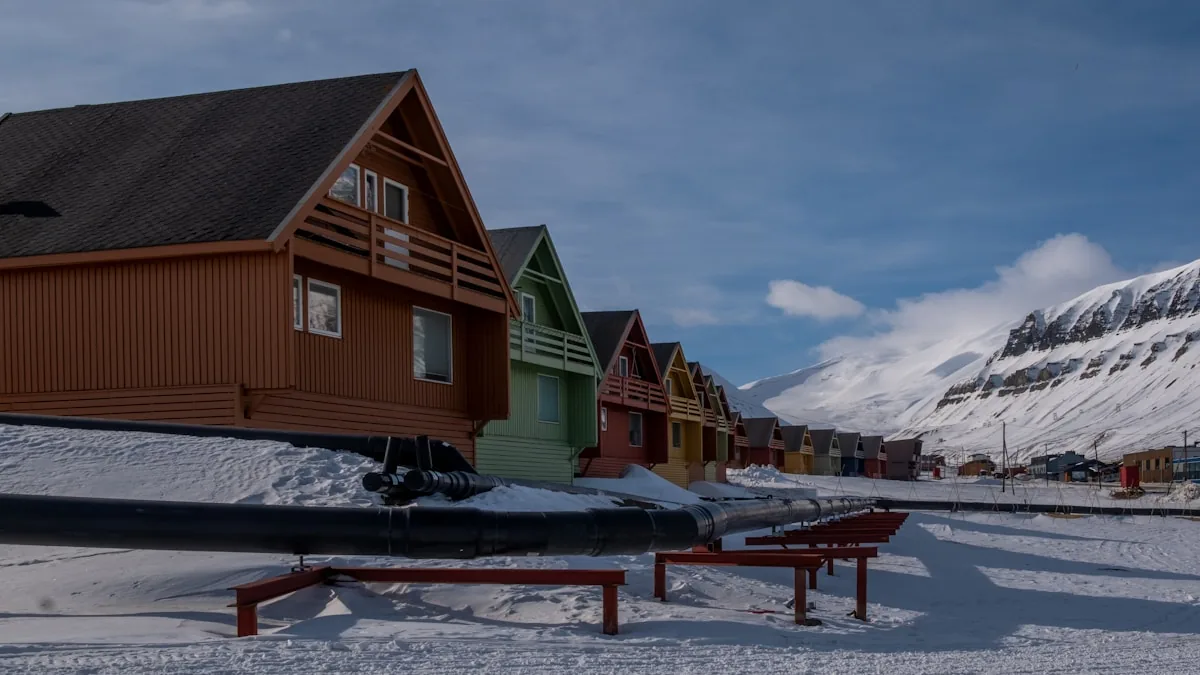
First Nations communities are experiencing climate impacts now. Roads wash out earlier in spring. Water systems are stressed by drought and flooding in the same season. Buildings designed for stable permafrost are shifting and cracking. Wildfire corridors are expanding. The cost of reactive repair consistently exceeds the cost of proactive adaptation. Yet most communities lack the planning capacity to get ahead of the problem. The First Nation Adapt Program provides funding specifically for climate change adaptation planning and infrastructure resilience.
What the First Nation Adapt Program Funds
The First Nation Adapt Program funds climate vulnerability assessments, infrastructure condition reviews, and capital plans that integrate climate risk into project prioritization. Eligible projects include: (1) Climate vulnerability assessments for critical infrastructure, (2) Infrastructure condition reviews identifying climate risks, (3) Capital plans that prioritize climate adaptation, (4) Design and planning for climate-resilient infrastructure, and (5) Community engagement and capacity building for climate adaptation. Funding flows to communities that can demonstrate they have assessed their risks and developed credible adaptation plans.
Strategic Advantage: Planning Unlocks Adaptation Funding
Communities that move quickly to develop climate vulnerability assessments and adaptation plans will be positioned to access funding faster. This requires assessing climate risks to critical infrastructure, identifying priority adaptation projects, and developing implementation timelines. Funders prioritize communities with clear climate adaptation strategies and demonstrated capacity to execute resilience projects.
How XNM Supports Climate Adaptation Planning
XNM Technologies works with First Nations to develop the planning and governance frameworks needed to access and execute climate adaptation funding. We support communities in conducting climate vulnerability assessments, developing adaptation capital plans, establishing governance structures, and building project delivery capacity. Our approach ensures communities can move from planning to implementation efficiently and build long-term climate resilience.
Practical Steps for Community Leadership
Conduct a climate vulnerability assessment for your community's critical infrastructure—roads, water systems, housing, and community buildings.
Identify which infrastructure assets are at highest risk from flooding, permafrost thaw, wildfire, or extreme weather events.
Develop a capital plan that prioritizes climate adaptation projects based on risk and strategic importance.
Establish a climate adaptation governance committee with clear roles and decision-making authority.
Engage with the First Nation Adapt Program to understand funding requirements and application timelines.
Conclusion: Climate Adaptation Is Infrastructure Strategy
Climate adaptation is not a separate agenda from infrastructure delivery—it is the new standard for infrastructure delivery. Communities that integrate climate resilience into their capital planning today will build infrastructure that lasts, access more funding, and avoid the compounding costs of reactive repair. The time to begin climate adaptation planning is now.