
May 16, 2026 · 6 min read
Every health authorities we talk to has the same 2026 story. the new premium on delivery-readiness raised the stakes, the project got bigger, and the paperwork that proves it got harder to keep…
Read more →
May 16, 2026 · 2 min read
Infrastructure projects represent significant capital investment. Yet many communities struggle to extract maximum value from these investments after construction completion. Asset management—the systematic approach to maintaining, monitoring, and optimizing infrastructure performance—is the difference between infrastructure that delivers value for decades and infrastructure that deteriorates rapidly. Communities that develop sophisticated asset management systems maximize return on...
Read more →
May 16, 2026 · 1 min read
Infrastructure projects create employment opportunities, yet many Indigenous communities struggle to fill skilled positions with local workers. This forces communities to hire external workers, losing economic benefits and limiting skill development. Strategic workforce development transforms infrastructure projects into capacity-building opportunities that create local employment, build skills, and strengthen community economic resilience. The Workforce Development Paradox Infrastructure...
Read more →
May 16, 2026 · 2 min read
The 2025 Federal Budget allocates $40 million over two years to Indigenous Services Canada for Arctic infrastructure through the Strategic Partnerships Program. This represents a significant opportunity for northern Indigenous communities to advance critical infrastructure projects. However, accessing this funding requires understanding program requirements and developing competitive proposals that demonstrate strategic value and community benefit. Arctic Infrastructure Challenges and...
Read more →
May 16, 2026 · 2 min read
Energy infrastructure projects represent significant capital investment and long-term economic opportunity for Indigenous communities. However, many communities struggle to structure projects that ensure genuine equity participation and benefit-sharing. Recent developments in power project governance—including new models for Indigenous partnership and equity participation—offer pathways for communities to move beyond consultation to genuine partnership and ownership. The Challenge: From...
Read more →
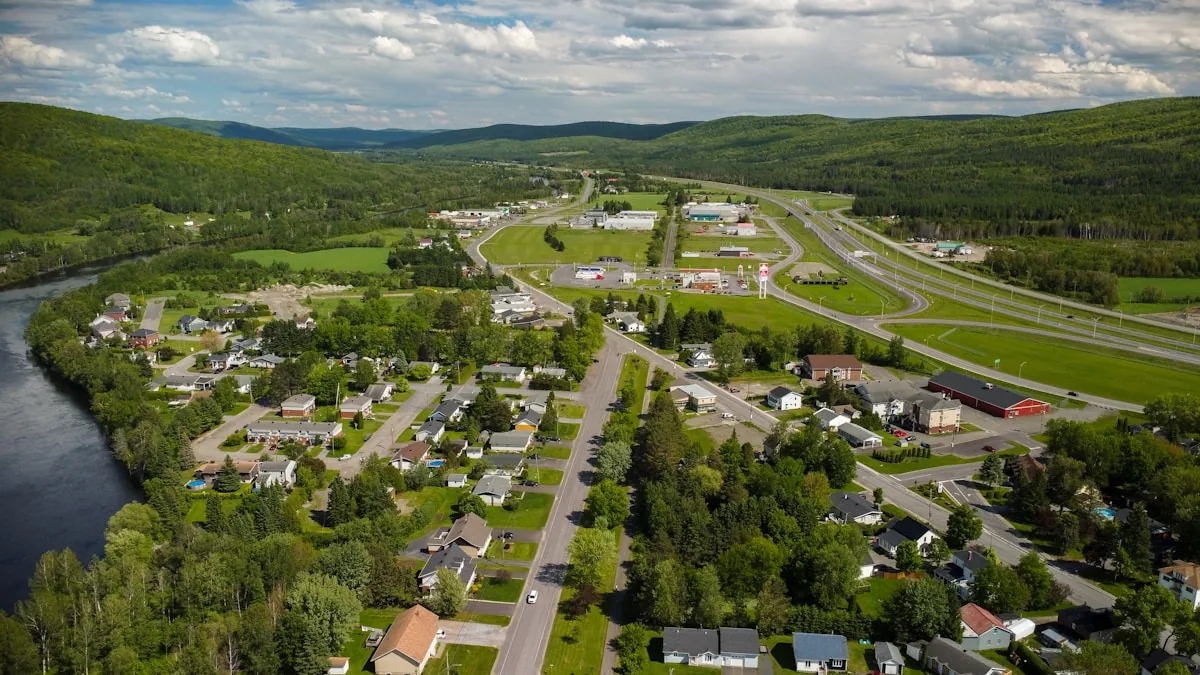
May 16, 2026 · 2 min read
Digital infrastructure is no longer optional—it's essential. Remote and northern Indigenous communities face a persistent broadband gap that limits economic opportunity, educational access, and health service delivery. The 2025 Federal Budget allocates $3.225 billion through the Universal Broadband Fund, with dedicated Indigenous streams. For Band Councils, accessing this funding requires understanding digital infrastructure as a strategic asset and developing comprehensive broadband...
Read more →

May 16, 2026 · 2 min read
Despite decades of federal commitment, drinking water advisories persist across First Nations communities. The challenge is not funding alone—it's strategic planning. Many communities struggle to move from crisis management to long-term infrastructure planning. The 2025 Federal Budget allocates significant resources for water infrastructure, but accessing these funds requires communities to develop comprehensive water system strategies that address both immediate needs and long-term...
Read more →
May 16, 2026 · 2 min read
The 2025 Federal Budget introduces new "Buy Canadian" procurement requirements for all government grants and infrastructure funding programs. For Band Councils and Indigenous organizations managing capital projects, this creates both opportunity and complexity. Understanding how to leverage these requirements while maintaining competitive procurement processes is essential for maximizing project value and building long-term vendor relationships. The Challenge: Balancing Procurement Excellence...
Read more →

May 15, 2026 · 6 min read
progress reports on closing the infrastructure gap made one thing clear in 2026: getting capital projects approved is no longer the bottleneck. Delivering them — and being able to show your work — is.
Read more →

May 15, 2026 · 2 min read
Climate change poses unprecedented threats to Indigenous communities across Canada. Rising temperatures, changing precipitation patterns, increased flooding, and permafrost thaw directly threaten existing infrastructure and community safety. The 2025 federal budget recognizes this reality, with expanded funding for climate adaptation in Indigenous communities. For Band Councils, integrating climate resilience into infrastructure planning is no longer optional—it is essential governance....
Read more →
May 15, 2026 · 2 min read
The journey from infrastructure concept to completed project is complex, requiring coordination across planning, design, procurement, construction, and commissioning phases. Many First Nations communities struggle with project management due to limited experience, competing priorities, and insufficient administrative capacity. Excellence in project management transforms funding into community benefit and builds institutional capacity for future initiatives. The Project Management Challenge...
Read more →

May 15, 2026 · 2 min read
Band Councils and Indigenous organizations often struggle with a common challenge: multiple federal funding programs with overlapping objectives but different eligibility criteria, application timelines, and reporting requirements. The 2025 federal budget expands funding opportunities, but also increases complexity. Strategic coordination of multiple funding sources is essential for maximizing capital available for infrastructure projects while minimizing administrative burden. The...
Read more →
