
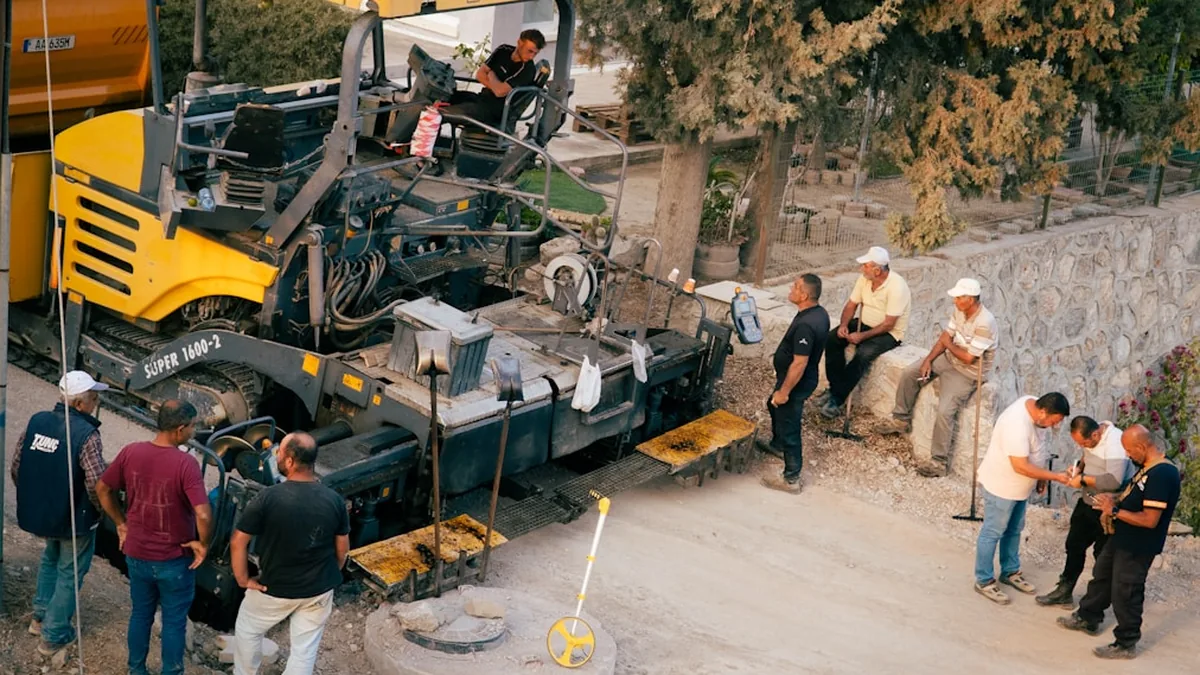
Straight Answers for Project teams on the Audit Question
Through 2026, project teams watched the new premium on delivery-readiness move money and attention toward big builds. The capital is the easy part.
Read more →Insights
Practical guidance on capital projects, governance, financing, and delivery for Indigenous and public-sector leaders.
Through 2026, project teams watched the new premium on delivery-readiness move money and attention toward big builds. The capital is the easy part.
Read more →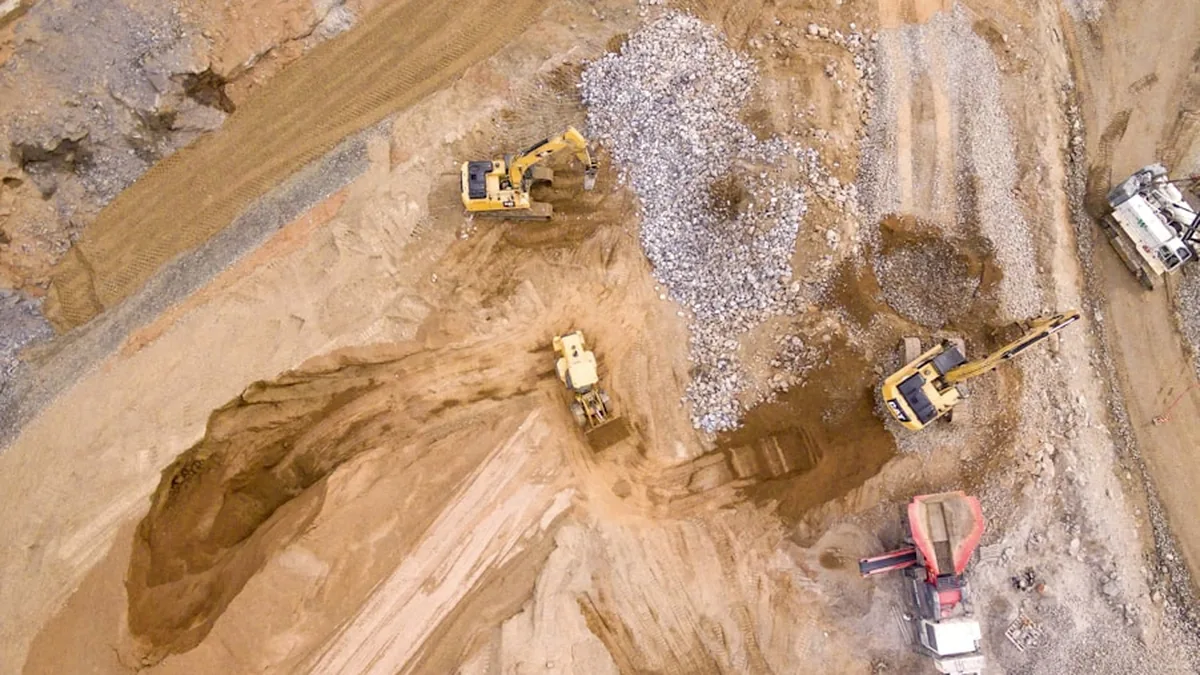
Infrastructure projects are not complete when construction ends. The transition from contractor to community operations is critical—poor handovers result in operational failures, maintenance issues, and asset deterioration. Communities that plan handover processes strategically ensure infrastructure operates effectively and delivers value for decades. The Challenge: Operational Readiness Many Indigenous communities receive completed infrastructure projects without adequate preparation for...
Read more →
Indigenous infrastructure projects operate within complex governance frameworks involving federal, provincial, territorial, and Band Council authorities. Successfully navigating this multi-level governance requires clear coordination, defined roles, and strategic communication. Communities that establish formal governance structures and coordinate effectively across levels significantly improve project success. The Challenge: Governance Complexity Indigenous infrastructure projects must...
Read more →
Starting in 2024, the Government of Canada integrated climate resilience requirements into all new federal infrastructure funding programs. For Indigenous communities planning capital projects, this means infrastructure must now be designed and built to withstand climate impacts. Communities that integrate climate resilience into project planning from the outset position themselves for funding success and long-term infrastructure durability. The Challenge: Climate Impacts on Northern...
Read more →
Since December 2025, the Government of Canada has mandated that 5% of the total value of federal contracts be allocated to Indigenous businesses. For Band Councils and Indigenous organizations, this represents a major economic development opportunity. However, accessing federal procurement requires understanding contracting processes, compliance requirements, and strategic positioning. The Challenge: Limited Indigenous Participation in Federal Contracting Despite significant federal...
Read more →
Budget 2025 introduced the Arctic Infrastructure Fund: $1 billion over four years dedicated to infrastructure development in Canada's northern regions. For remote and northern Indigenous communities, this represents a historic opportunity to address infrastructure deficits that have constrained economic development and community well-being for decades. The Challenge: Northern Infrastructure Deficits Northern and remote Indigenous communities face unique infrastructure challenges: extreme...
Read more →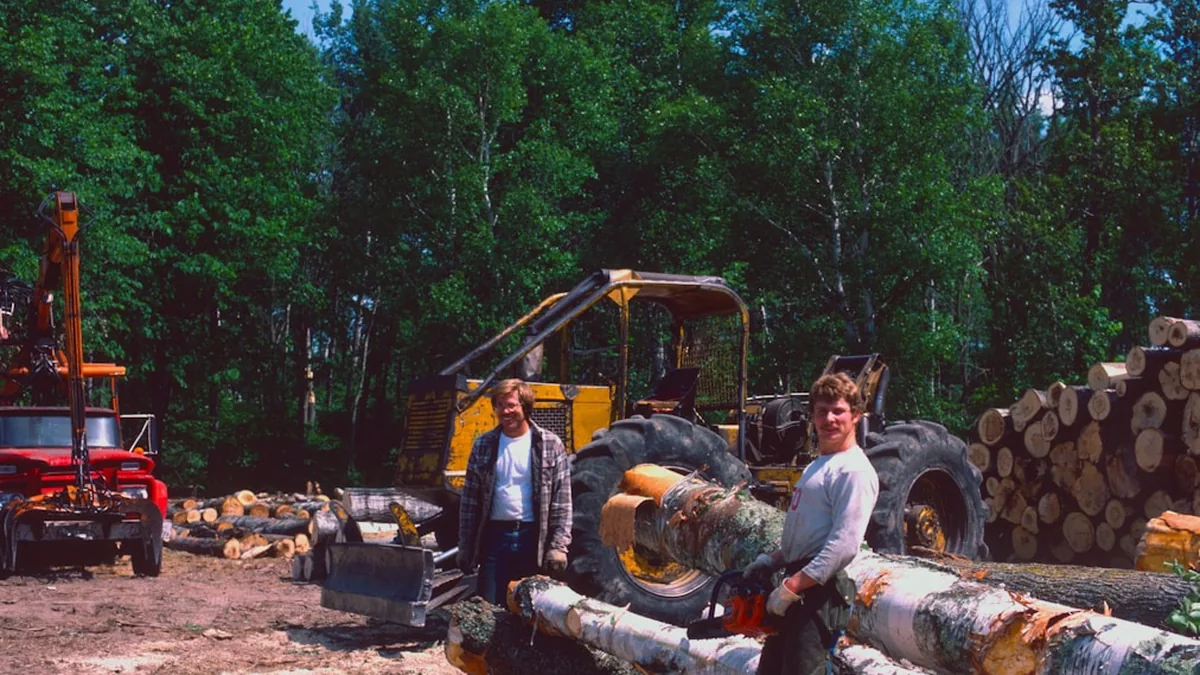
In December 2024, the Government of Canada launched the Canada Indigenous Loan Guarantee Corporation, a $5 billion program designed to accelerate economic reconciliation by providing loan guarantees for Indigenous-led businesses and community projects. This program fundamentally changes how Indigenous communities and entrepreneurs access capital for infrastructure, economic development, and community initiatives. The Challenge: Limited Access to Capital Indigenous communities and...
Read more →
The Government of Canada's Budget 2024 allocated $6 billion over 10 years to establish the Canada Housing Infrastructure Fund (CHIF). For Indigenous communities and Band Councils, this represents a transformational opportunity to address decades of housing deficits and infrastructure gaps. However, accessing these funds requires strategic planning, clear governance structures, and expert navigation of federal requirements. The Challenge: Housing Deficits in Indigenous Communities Many First...
Read more →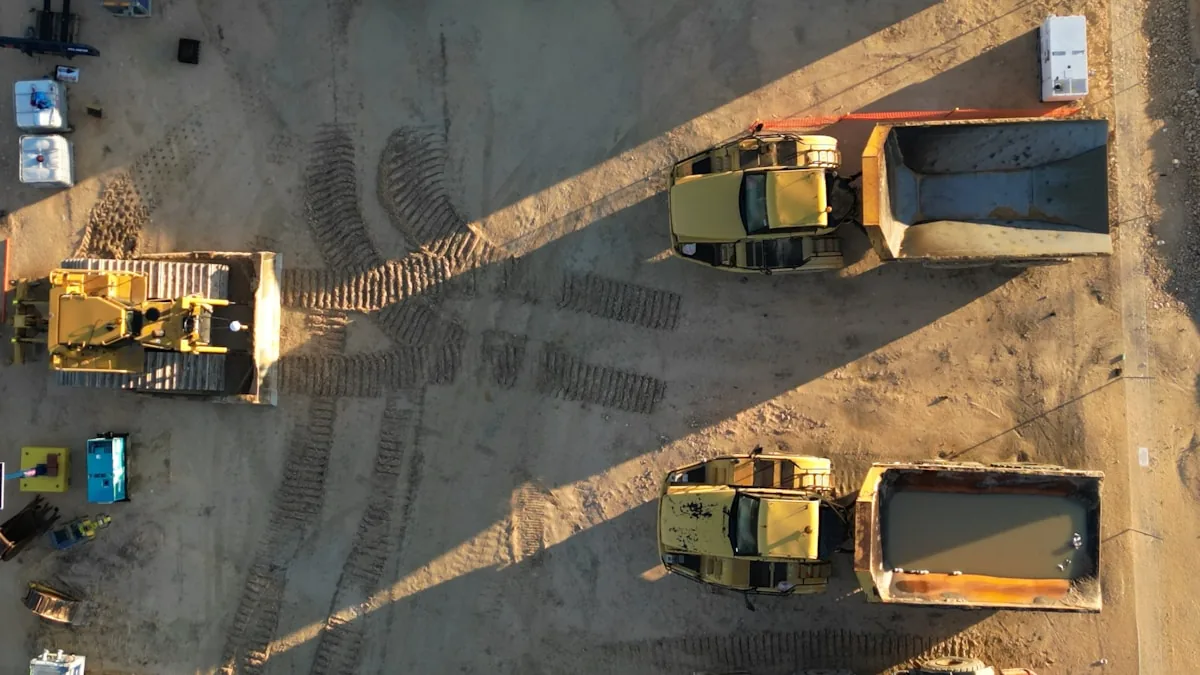
Modern infrastructure increasingly relies on technology: monitoring systems, data analytics, and digital controls. Communities that integrate technology into infrastructure operations improve efficiency, reduce costs, and enhance reliability. Yet many First Nations communities operate infrastructure using manual processes and limited technology. Strategic technology integration transforms infrastructure operations. The Challenge: Manual Operations Limit Efficiency Many Indigenous communities...
Read more →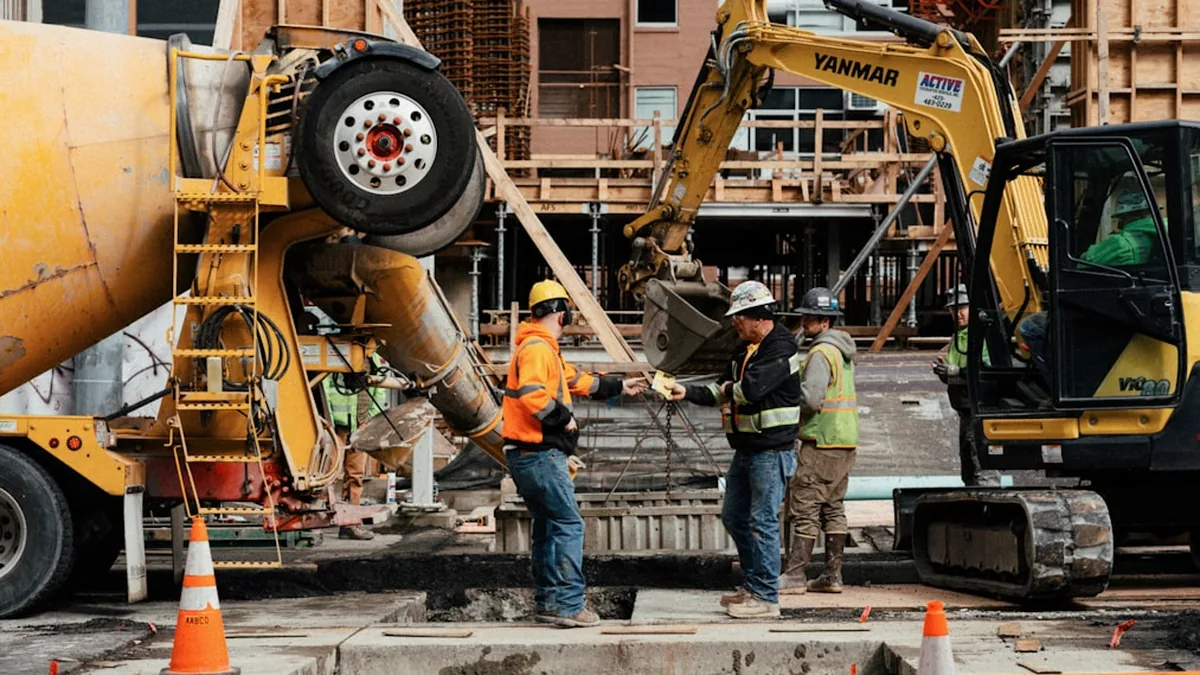
Infrastructure projects create employment opportunities. Yet many First Nations communities lack the skilled workforce to fill these opportunities. Communities that develop workforce strategies during project planning build local capacity, create employment, and strengthen community economic development. Strategic workforce planning transforms infrastructure projects into workforce development engines. The Challenge: Workforce Gaps Limit Local Employment Indigenous communities face workforce...
Read more →
Infrastructure projects in Indigenous communities must navigate complex regulatory frameworks: environmental assessments, permitting requirements, consultation obligations, and compliance standards. Regulatory delays can add months to project timelines and significant costs. Yet communities that understand regulatory requirements and plan accordingly navigate the process efficiently. Strategic regulatory planning accelerates project delivery. The Challenge: Regulatory Complexity Delays...
Read more →
Infrastructure projects are not complete when construction ends. Communities must operate, maintain, and eventually replace infrastructure. Yet many First Nations communities lack financial plans to sustain infrastructure beyond the initial capital investment. Without sustainability planning, communities face deteriorating assets, service disruptions, and budget crises. Strategic financial sustainability planning ensures infrastructure delivers value for decades. The Challenge: Infrastructure...
Read more →