
May 12, 2026 · 2 min read
Capital projects fail not because of technical complexity, but because stakeholders—community members, staff, leadership, and external partners—are not aligned. Projects that begin with strong stakeholder engagement experience fewer delays, lower costs, and greater community support. Yet many First Nations communities approach stakeholder engagement as an afterthought rather than a strategic foundation. The Challenge: Misaligned Stakeholders Derail Projects Inadequate stakeholder engagement...
Read more →

May 12, 2026 · 2 min read
Infrastructure projects in remote and northern communities face unique risks: extreme weather, supply chain disruptions, workforce shortages, and regulatory complexity. Communities that anticipate these risks and develop mitigation strategies complete projects on time and on budget. Communities that treat risk as inevitable experience delays, cost overruns, and project failures. Strategic risk management is the difference between project success and crisis. The Challenge: Unique Risks in...
Read more →

May 12, 2026 · 2 min read
First Nations communities manage millions of dollars in infrastructure assets—water systems, buildings, roads, and utilities. Yet many lack formal asset management systems to track condition, maintenance needs, and lifecycle costs. Without visibility into asset performance, communities face unexpected failures, emergency repairs, and budget overruns. Strategic asset management transforms infrastructure from a cost center into a managed investment. The Challenge: Reactive Infrastructure...
Read more →

May 12, 2026 · 2 min read
Infrastructure procurement is often viewed as a compliance exercise. Yet for First Nations communities, procurement strategy is a critical lever for maximizing value, supporting local economies, and ensuring project success. The 2025 Federal Budget includes a Small and Medium Business Procurement Program designed to support Canadian small and medium enterprises. For Band Councils and infrastructure directors, understanding how to leverage procurement strategy can unlock significant value in...
Read more →

May 12, 2026 · 2 min read
Infrastructure project delays and cost overruns are not inevitable. They are symptoms of governance failures. Research shows that 70% of government infrastructure projects globally experience schedule delays and cost overruns. Yet communities with strong governance frameworks, clear project oversight, and robust risk management consistently deliver projects on time and on budget. For Band Councils and infrastructure directors, understanding how governance prevents project failures is critical...
Read more →

May 12, 2026 · 2 min read
Federal funding for First Nations infrastructure is abundant. Yet many communities struggle to access and deploy these resources effectively. The difference between communities that successfully execute infrastructure projects and those that face delays and cost overruns often comes down to one critical factor: governance. Robust governance frameworks unlock funding, accelerate project delivery, and protect community assets. The Challenge: Governance Gaps Prevent Project Success Many First...
Read more →

May 12, 2026 · 2 min read
Climate change is reshaping infrastructure priorities across Canada. For First Nations communities, climate adaptation is no longer a future concern—it is an immediate operational reality. The First Nation Adapt Program, administered by Crown-Indigenous Relations and Northern Affairs Canada, is funding climate resilience projects now. For Band Councils and community directors, understanding how to access this funding is critical to protecting community assets and ensuring long-term...
Read more →

May 12, 2026 · 2 min read
Traditional grant-based funding has long been the primary mechanism for First Nations infrastructure investment. However, the 2025 Federal Budget signals a shift toward diversified financing tools designed to expand options available to Indigenous communities. For Band Councils and infrastructure directors, understanding these new financing mechanisms is critical to accessing capital and accelerating project delivery. The Limitation: Grants Alone Cannot Meet Infrastructure Needs First Nations...
Read more →

May 12, 2026 · 2 min read
The 2025 Federal Budget commits $2.3 billion over three years to strengthen First Nations infrastructure financing and ensure access to clean water. For Band Councils and Indigenous leadership, this funding represents a critical opportunity to address water security challenges—but only communities with strategic planning and governance capacity will successfully access and deploy these resources. The Crisis: Water Infrastructure Gaps in First Nations Communities Many First Nations communities...
Read more →
May 12, 2026 · 2 min read
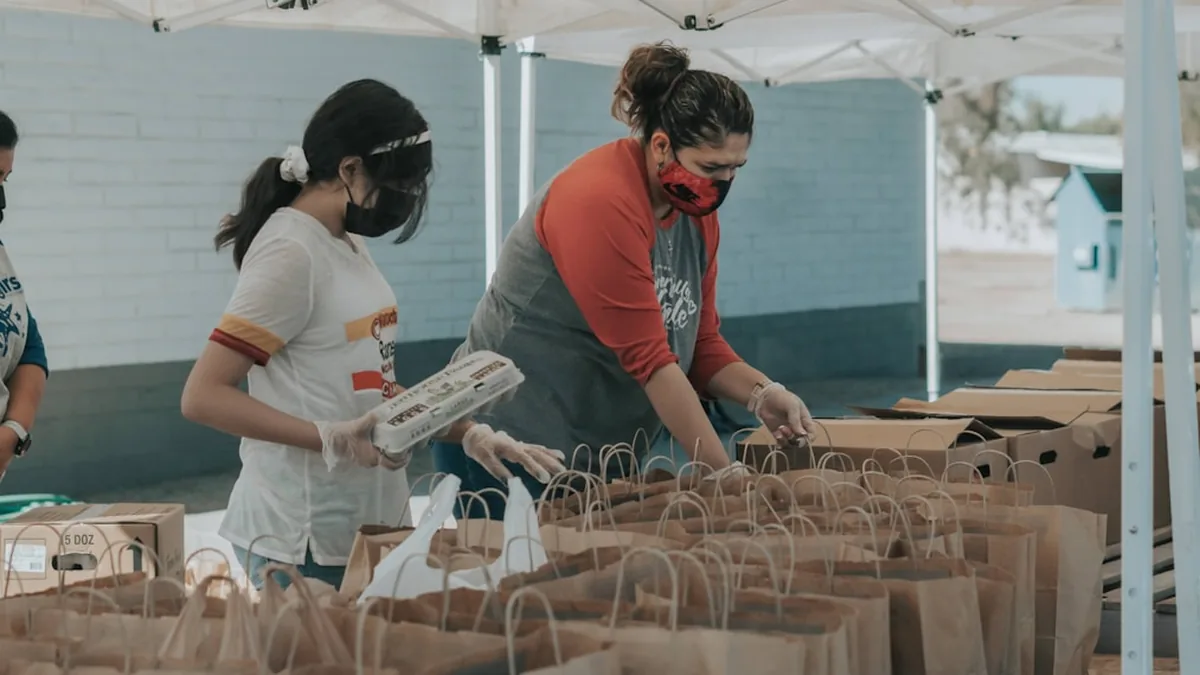
Canada's 2025 Federal Budget allocated $2.8 billion to support Indigenous housing and infrastructure through the Building Canada Homes initiative. For First Nations leadership and community directors, this represents an unprecedented opportunity—but accessing these funds requires strategic planning, governance frameworks, and project delivery capacity. The Challenge: Housing Shortage Meets Funding Complexity First Nations communities face a critical housing shortage. On-reserve housing stock...
Read more →
May 12, 2026 · 5 min read
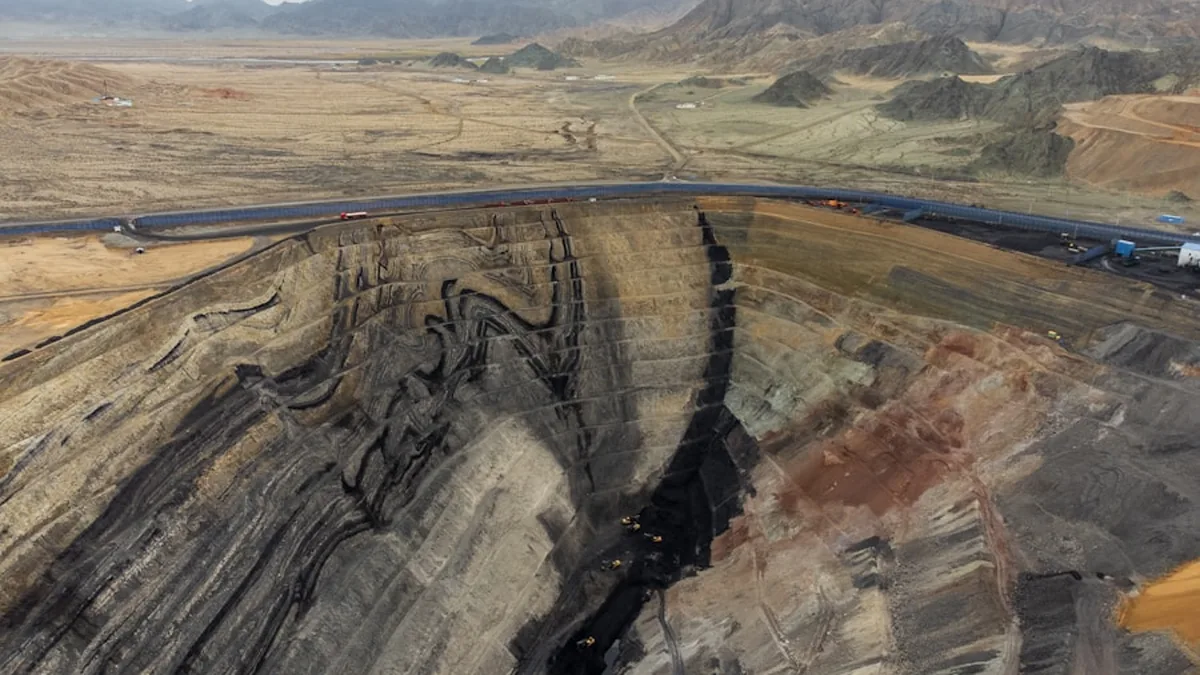
When progress reports on closing the infrastructure gap dominated the headlines in 2026, mine operators felt the pressure shift.
Read more →

May 11, 2026 · 5 min read
When progress reports on closing the infrastructure gap dominated the headlines in 2026, municipalities felt the pressure shift.
Read more →
