The Real Reason Your Status Meeting Takes Two Hours
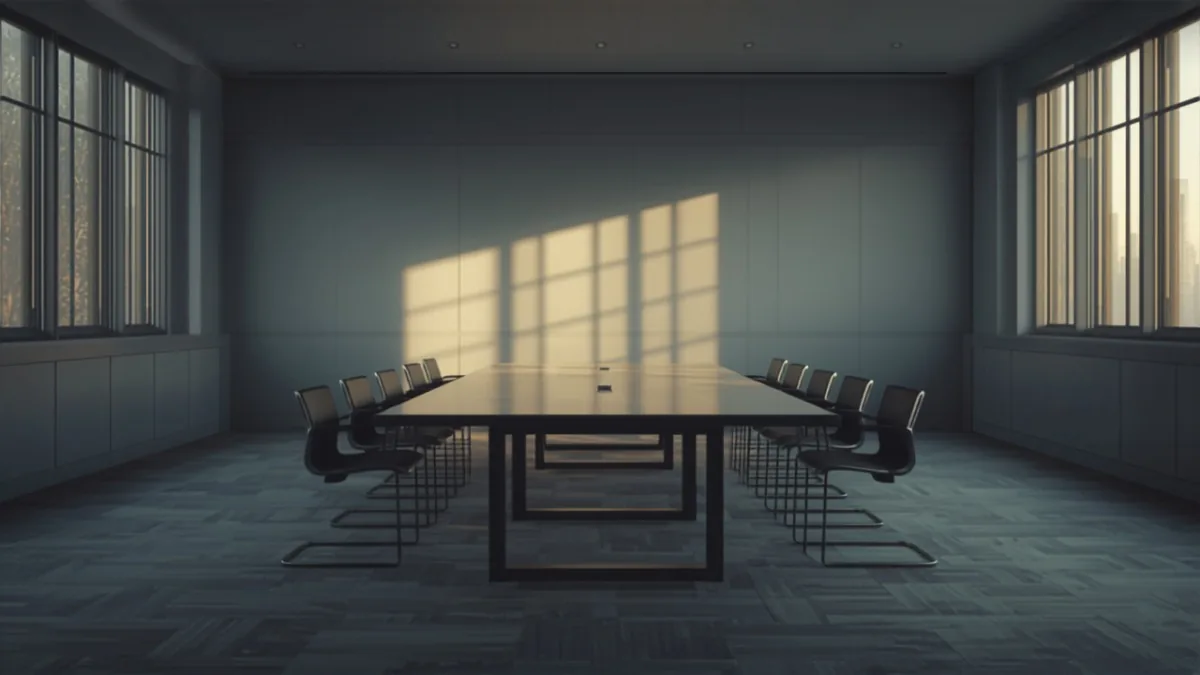
Count what actually happens in your next status meeting. For the first forty minutes, almost nobody makes a decision. They're doing something else first — assembling, out loud, a shared version of what is even true. And that, not the agenda, is why the meeting runs long.
Everyone blames the usual suspects for long meetings: too many people, no agenda, someone who won't stop talking. Tighten all of that and a two-hour meeting becomes a ninety-minute meeting — still too long. Because the real cause isn't in the room at all. It's in the gap between everyone's private version of the project's status. By the end of this you'll know exactly why your status meetings run long, and it isn't the people.
Most of the meeting is reconciliation, not decision
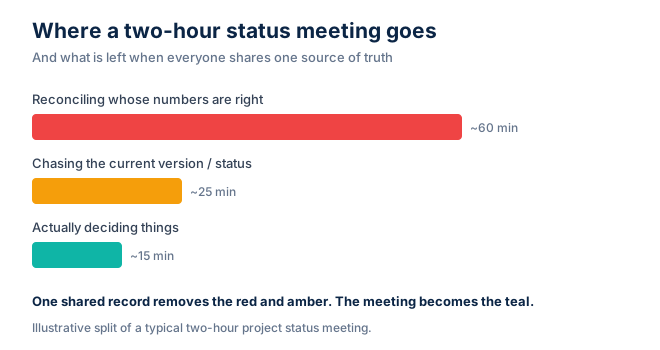
Watch where the time actually goes. 'Wait, I thought that was approved.' 'No, that's the old number — finance has a different one.' 'Which version of the drawing is the crew using?' 'When did that change?' None of that is decision-making. It's reconciliation — the slow, collective work of merging several incompatible mental models of the project into one before anyone can decide anything. In most status meetings, reconciliation eats the first two-thirds. The actual decisions, once everyone finally agrees on what's true, take minutes. You're not paying for a long decision meeting. You're paying for a long agreement-on-reality meeting.
Where all those different truths come from
People show up with different versions of the truth for a simple reason: the truth lives in different places. The project manager's truth is in a spreadsheet. Finance's truth is in the accounting system. The site's truth is in the field. The owner's truth is in an inbox. Each one is sincere, each one is partial, and none of them matches the others. So the meeting becomes the place where these scattered truths get synchronized by hand — a human-powered data merge that happens once a week and starts going stale by Thursday. The longer the meeting, the more truths there were to reconcile. Which means the length of your status meeting is a symptom you can actually read: it's telling you precisely how fragmented your single source of truth is.
Fix the record, not the meeting
This is why every meeting-efficiency tip aimed at the meeting itself — tighter agendas, standing meetings, a visible timer — treats the symptom and leaves the cause untouched. The cause is upstream. If everyone walked in already looking at the same current, authoritative picture of the project — one place where the status, the numbers, the versions, and the approvals actually live and agree — there would be nothing to reconcile. The meeting could start where it should: at the decisions. That's the test this whole series keeps returning to. When a room full of competent people needs two hours to agree on what's true before they can do their jobs, the failure isn't the room. It's the record.
Collapsing that reconciliation tax — giving everyone one current source of truth to walk in with — is precisely what we built XNM-VISION to do. But the test stands on its own, no software required: time the reconciliation in your next meeting, watch how much of it vanishes the moment two people open two different files, and you'll know exactly what a single shared record would be worth to you.
So tomorrow, try one thing. In your next status meeting, quietly note the clock when the first real decision gets made. Everything before that line was reconciliation — the tax you pay for a fragmented truth. That number is your agenda for fixing it.
We put a hard number on this same hidden tax — the hours teams lose to where-is-it — in our One Chart on where capital-project hours actually go.