May 10, 2026 · 2 min read
The Canada Housing Infrastructure Fund (CHIF) launched in March 2025 as a $5.7 billion investment in water, wastewater, stormwater, and solid waste infrastructure. For Indigenous communities facing aging water systems and inadequate treatment capacity, CHIF represents a direct funding pathway. But accessing it requires understanding the fund's structure, eligibility criteria, and application process. What CHIF Funds and How It Works CHIF is designed to accelerate the construction and...
Read more →
May 10, 2026 · 2 min read
In November 2025, the federal government announced a major initiative to accelerate infrastructure project approvals. The Building Canada Act introduced streamlined federal review and approval processes designed to reduce permitting timelines from 180 days to 90 days. For Indigenous communities planning capital projects, this change fundamentally alters project planning and funding access strategies. What Changed: The 90-Day Permitting Standard The federal government's commitment to cut...
Read more →
May 10, 2026 · 2 min read
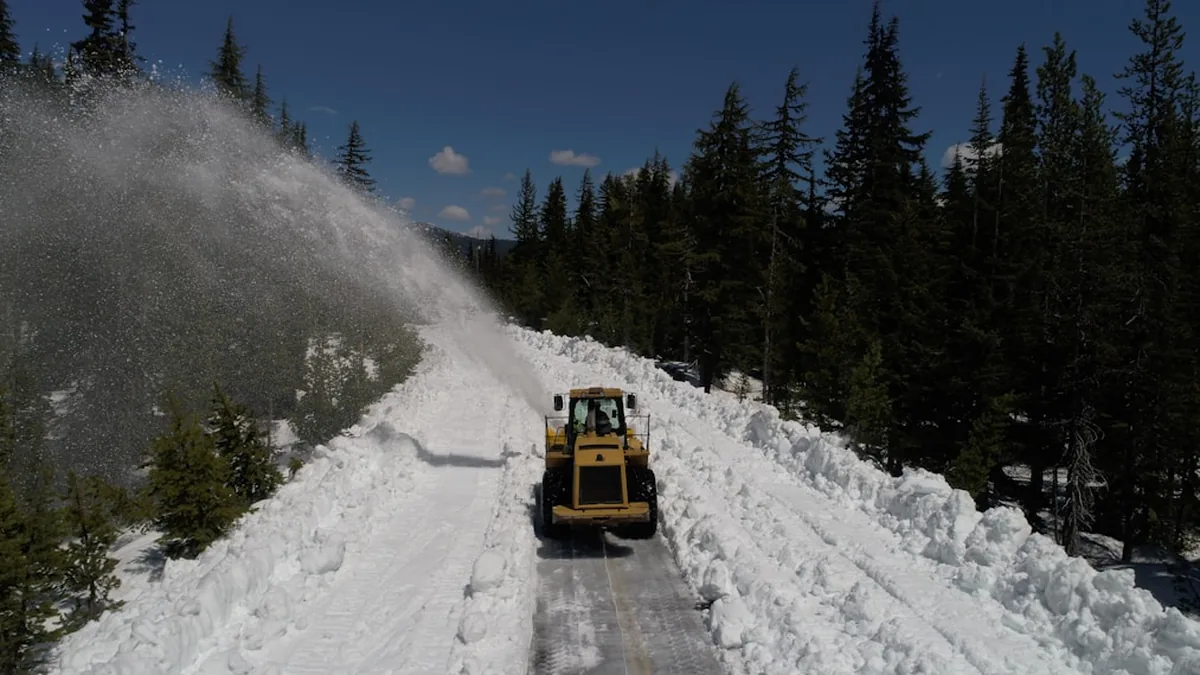
Since December 2025, the federal government has mandated that all departments and agencies allocate a minimum of 5% of their total contract value to Indigenous-owned businesses. This policy represents a structural shift in how federal procurement works—and it creates both opportunities and obligations for Band Councils and Indigenous organizations seeking to participate in government contracting. The Policy: What Changed and Why The mandatory minimum 5% Indigenous procurement target is now...
Read more →
May 10, 2026 · 5 min read
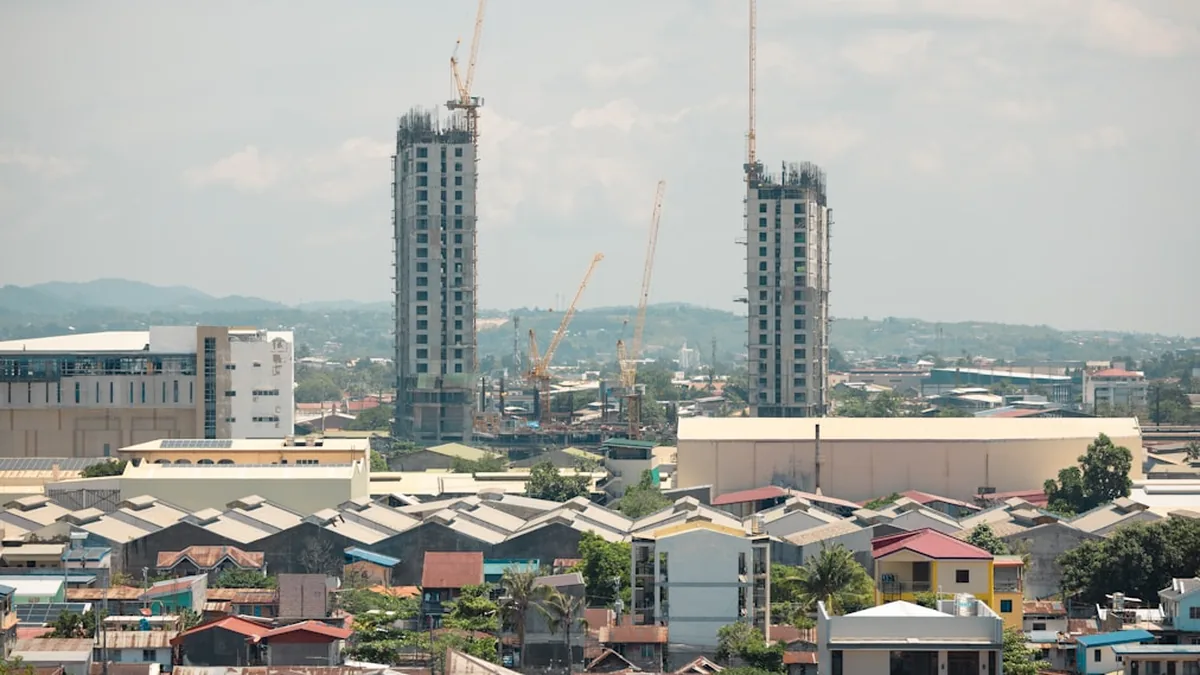
Every developers we talk to has the same 2026 story. progress reports on closing the infrastructure gap raised the stakes, the project got bigger, and the paperwork that proves it got harder to keep…
Read more →

May 9, 2026 · 5 min read
Ask anyone running campus builds, upgrades, and deferred maintenance what kept them up in 2026, and progress reports on closing the infrastructure gap is only half the answer.
Read more →
May 9, 2026 · 2 min read
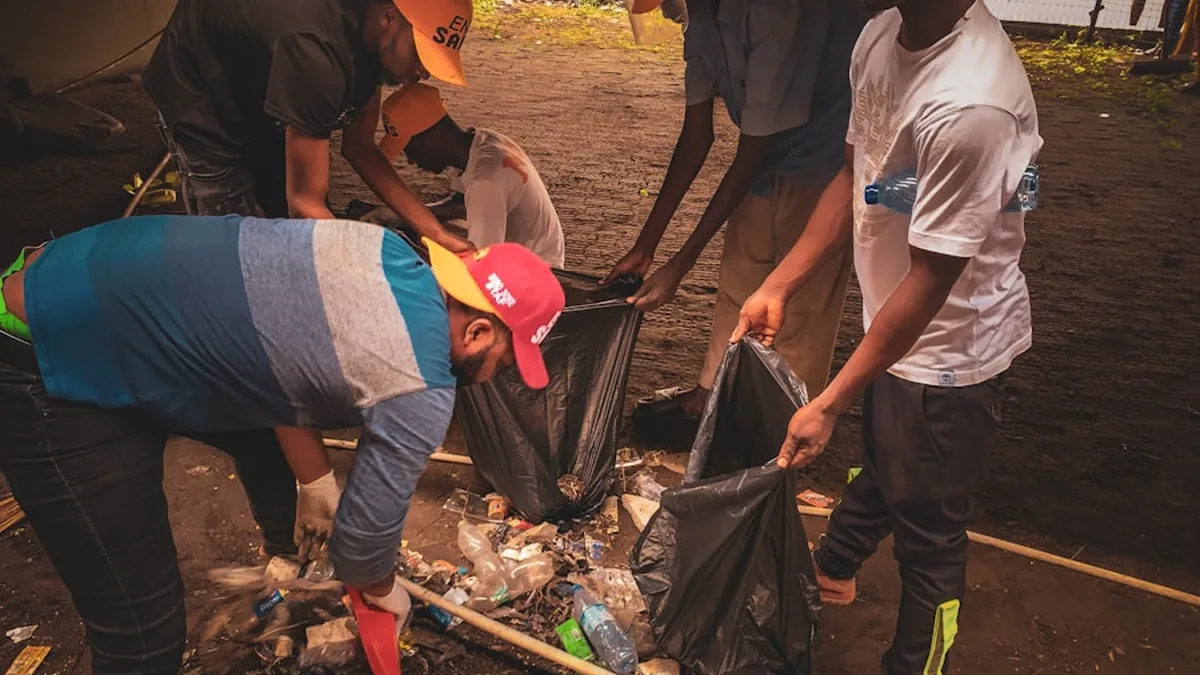
First Nations communities often plan housing, water, and health infrastructure as separate projects. But federal funders increasingly expect communities to demonstrate how these projects work together to improve community outcomes. Integrated infrastructure planning is no longer optional — it is a competitive advantage in federal funding applications. The Problem: Siloed Infrastructure Planning Communities typically plan infrastructure by sector: housing projects, water system upgrades,...
Read more →

May 9, 2026 · 2 min read
Capital projects fail not because communities lack funding, but because procurement processes are not structured to manage risk. A poorly managed procurement can cost a community hundreds of thousands of dollars in cost overruns, disputes, and failed contracts. Strong procurement governance is the foundation of successful project delivery. The Problem: Unstructured Procurement Processes Many First Nations communities conduct procurement without a structured process. Contracts are awarded...
Read more →

May 9, 2026 · 2 min read
The Build Communities Strong Fund ($51 billion over 10 years) is the largest federal infrastructure program in a generation. But here is the catch: it does not flow directly to communities. It flows through bilateral agreements negotiated between the federal government and provinces. If your community is not engaged with your provincial government, you are already behind. The Problem: Provincial Engagement Is Critical The Build Communities Strong Fund is structured through bilateral...
Read more →
May 9, 2026 · 2 min read
The Canada Infrastructure Bank just tripled its Indigenous investment target from $1 billion to $3 billion. This is not a grant program — it is a financing mechanism that can unlock capital for community-led infrastructure projects that might otherwise be unfundable through traditional channels. The Problem: Unaware of Financing Options Many First Nations communities view infrastructure funding as limited to federal grants and provincial programs. They are unaware that the Canada...
Read more →

May 9, 2026 · 2 min read
Northern Canada is warming twice as fast as the global average. For First Nations communities built on permafrost, this means that housing and infrastructure designed for stable ground are literally sinking. The housing crisis in the North is not just about supply — it is about building on ground that is no longer stable. The Problem: Infrastructure Designed for a Climate That No Longer Exists Most on-reserve housing in northern Canada was built using engineering standards based on permafrost...
Read more →

May 9, 2026 · 2 min read
The 2025 Federal Budget brought both cuts and new opportunities for First Nations infrastructure funding. While Indigenous Services Canada and Crown-Indigenous Relations face 2% spending reductions, the government is simultaneously launching new funding streams and tripling the Canada Infrastructure Bank's Indigenous investment target. Understanding which programs are growing and which are shrinking is essential for communities planning capital projects. The Problem: Confusion About Budget...
Read more →

May 9, 2026 · 2 min read
The federal government has mandated that a minimum of 5% of all federal procurement contracts must be awarded to Indigenous-owned businesses. For First Nations communities and Indigenous entrepreneurs, this represents a historic economic opportunity — but only if you understand how to access it. The Problem: Awareness Gap Costs Communities Millions Most Indigenous communities and business owners remain unaware of the federal 5% procurement target or how it creates direct pathways to federal...
Read more →
