Local Workforce Development: Building Community Capacity Through Infrastructure Projects
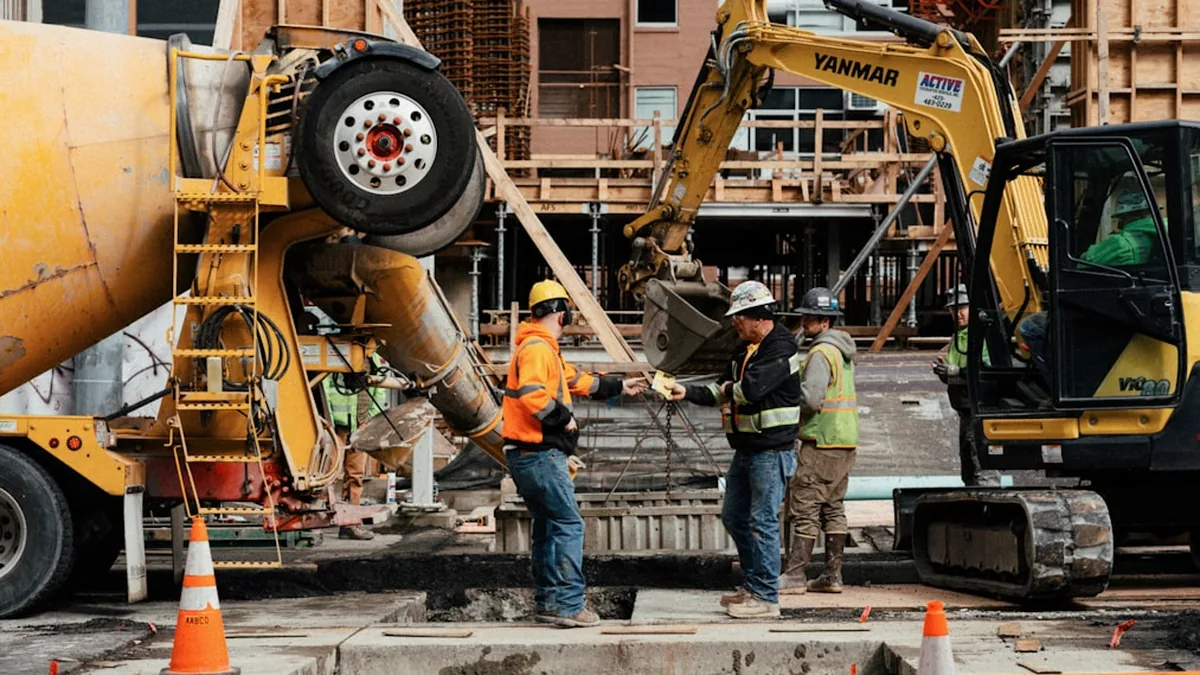
Infrastructure projects create employment opportunities. Yet many First Nations communities lack the skilled workforce to fill these opportunities. Communities that develop workforce strategies during project planning build local capacity, create employment, and strengthen community economic development. Strategic workforce planning transforms infrastructure projects into workforce development engines.
The Challenge: Workforce Gaps Limit Local Employment
Indigenous communities face workforce challenges in infrastructure projects:
Skill gaps: Limited local skilled trades limit employment opportunities
Training delays: Workforce development takes time; projects often proceed without adequate local workforce
Recruitment challenges: Communities struggle to recruit and retain skilled workers
Capacity constraints: Limited training infrastructure and expertise
Economic leakage: Employment and procurement dollars flow outside community
The Opportunity: Federal Budget Emphasizes Local Employment
The 2025 Federal Budget emphasizes "local employment" and "workforce development" in Indigenous infrastructure projects. Funders increasingly require communities to develop workforce strategies and track local employment outcomes. Recent infrastructure projects demonstrate that communities with structured workforce development strategies achieve 40-60% local employment rates, compared to 10-20% in communities without strategies. This reflects recognition that infrastructure projects are workforce development opportunities.
Workforce Development Strategy Framework
Effective workforce development requires:
Workforce Assessment: Assess current workforce skills, identify skill gaps, and project workforce requirements for infrastructure projects.
Training Strategy: Develop training programs aligned with project requirements. Partner with training providers and educational institutions.
Recruitment and Retention: Develop recruitment strategies to attract workers. Establish retention programs to keep workers engaged.
Monitoring and Reporting: Track local employment outcomes and workforce development results. Report to funders and community.
How XNM Supports Workforce Development
XNM's Workforce Development consulting helps First Nations communities conduct workforce assessments and skills gap analysis, develop workforce development strategies, design training programs aligned with project requirements, establish recruitment and retention programs, and monitor and report on local employment outcomes.
Practical Implementation Steps
Start early: Workforce development takes time; begin planning well before project starts
Partner with training providers: Leverage existing training infrastructure and expertise
Offer competitive wages: Attract skilled workers by offering competitive compensation
Track outcomes: Monitor local employment and report results to community and funders
Conclusion
Workforce development is not social program—it is economic development. Infrastructure projects that develop local workforce capacity create employment, build community skills, and strengthen economic resilience. For Band Councils managing infrastructure, workforce development is a strategic priority.