The Warranty Clock Nobody Started
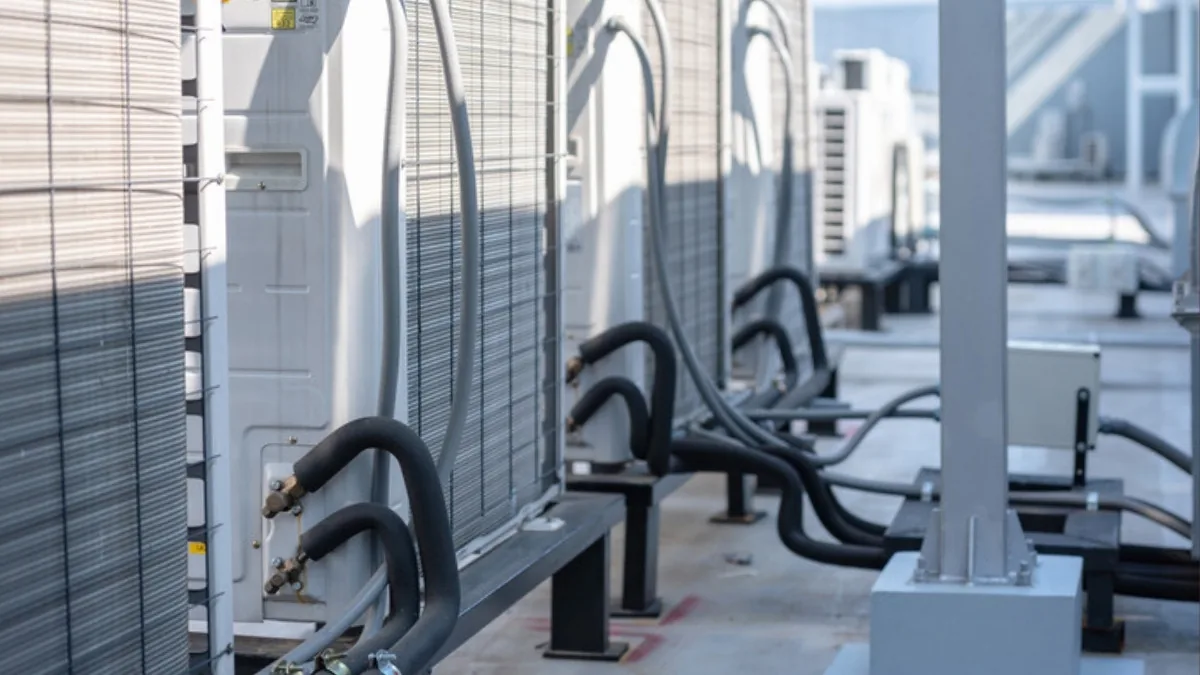
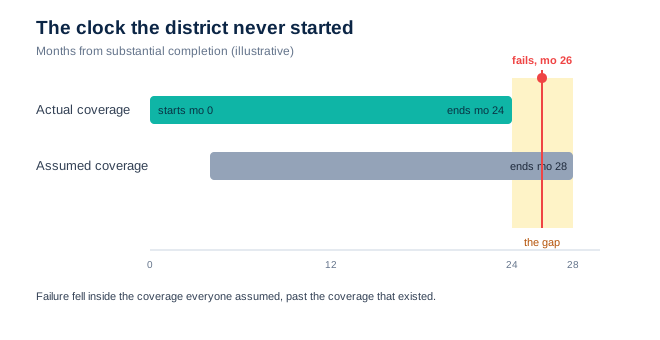
The rooftop unit on the new science wing died in February, eighteen months after the school opened. It should have been a non-event. The equipment carried a two-year manufacturer's warranty, and eighteen months is comfortably inside two years. Except no one could say, with certainty, when the two years actually started.
The clock hadn't started the day the unit was switched on, it turned out. It had begun months earlier, at substantial completion, and the coverage had quietly expired three weeks before the unit failed. The repair cost the district eleven thousand dollars it should never have paid - not because the warranty wasn't real, but because nobody had written its expiry date on a calendar. By the end of this you'll see why the most expensive warranties aren't the ones that fail. They're the ones that lapse.
A warranty is a date, not a document
Most organizations treat a warranty as a piece of paper - a certificate filed in a closeout binder, proof that something is covered. But a warranty isn't really a document. It's a countdown, and that countdown started on one specific day. If you don't know the day, you don't actually have the warranty; you have a piece of paper describing one you can no longer use.
And the start date is slippery. Depending on the contract, the clock might begin at delivery, at installation, at substantial completion, at final acceptance, or at occupancy - and each of those can be weeks or months apart. On a single project, the roofing bond, the HVAC warranty, and the workmanship guarantee can all start on different days and run for different lengths. Nobody notices the difference until the day a claim depends on it.
Why the clock is so easy to miss
The knowledge and the need sit on opposite sides of handover. The people who know the warranty terms - the general contractor, the commissioning agent, the subtrades - are demobilizing and moving to the next job. The people who will need those warranties - facilities, operations, the finance office - are just arriving. The entire transfer happens through a binder. And a binder doesn't send reminders.
Warranties filed by trade or by supplier, so nothing surfaces when one is about to expire
The start date buried in contract language and never converted into a plain calendar date
Overlapping warranties with different clocks, tracked as if they were one
No single owner of the warranty register once the project team is gone
The fix is boring, and it works
The antidote isn't sophisticated software or a bigger budget. It's a single warranty register: one row per warranty, each with a start date, an expiry date, exactly what's covered, and who to call. Then a reminder set to fire sixty to ninety days before each expiry - enough time to walk the building, find the failing equipment, and file the claim while the coverage is still alive.
Extract every warranty at closeout - while the people who know the terms are still on the job, not months later
Convert each to plain dates - a real start and expiry on a calendar, not a clause buried in contract prose
Assign one owner - a single person accountable for keeping the register current
Set expiry reminders - sixty to ninety days out, so there's time to inspect and claim before the window closes
What to do tomorrow morning
Pull your three most recent capital projects and ask one question about each: can someone tell me, in under five minutes, which warranties are still active and when they expire? If the answer is a shrug and a hunt through binders, you already have unstarted clocks running down in the background. The rooftop unit that fails next winter may well still be covered. Whether you can prove it in time is a decision you're making right now - by whether that register exists.
This is exactly the kind of quiet leak we built XNM-VISION to close: projects and their records in one place that doesn't forget a date. But even if you never touch our software, a one-page warranty register will save you the eleven thousand dollars - and the far larger sums hiding behind the warranties you haven't looked at yet.
A thin closeout binder is where good projects quietly lose their memory - the same failure that swallows as-builts and commissioning records. We keep pulling that threadacross the field notes on the blog. Keep a live register instead of a dead binder, and the warranty clock becomes one you actually control.