The Records Request That Took Three Weeks
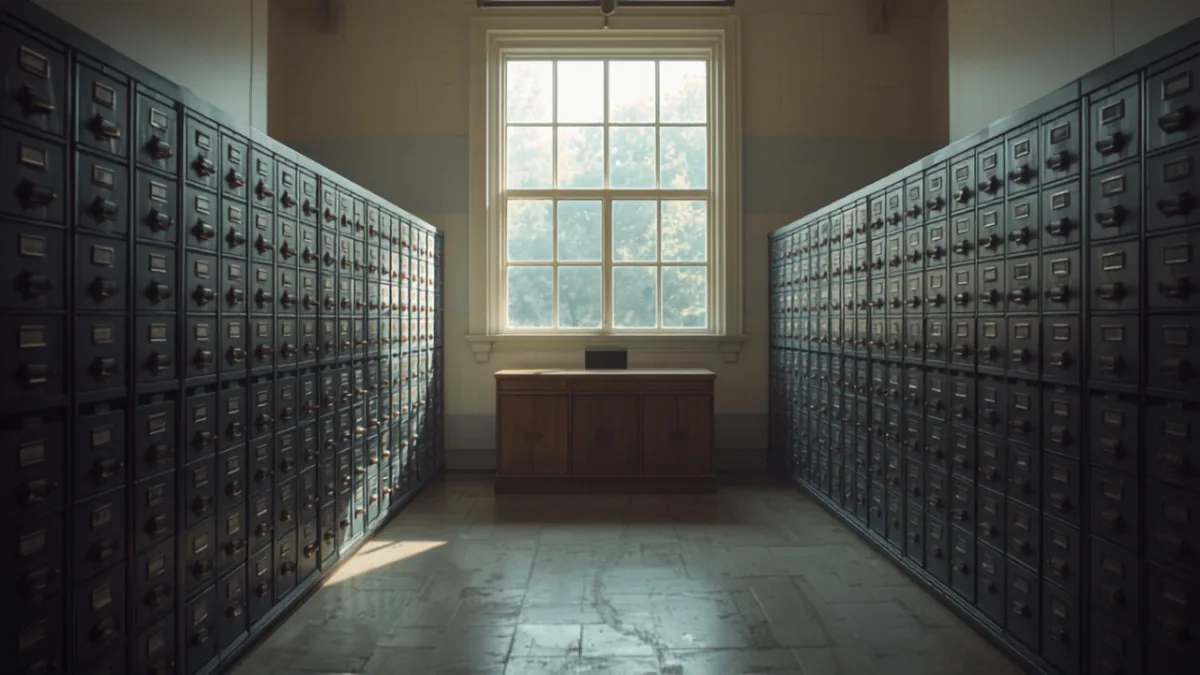
The request was one sentence long: please provide all records relating to the Maple Street culvert replacement. A clerk read it, nodded, and reached for the file. There was no file. There was a project, finished two years earlier, that everyone remembered well. What there wasn't was a single place where the project lived.
That is the moment a routine access-to-information request quietly becomes a department-wide emergency. The statutory clock had already started ticking the day it arrived, and it does not care how the records are organized. What followed was three weeks of hunting that no one had budgeted for, all to answer a question the team genuinely thought they could answer in an afternoon. By the end of this, you'll see why the request was never the expensive part.
A simple ask, scattered across four worlds
The culvert project, like every capital project, had left a trail. The trouble was that the trail ran through four separate worlds that had never been joined up. The contract and the invoices were in the finance system. The design drawings sat on the engineering shared drive, in a folder named after the consultant, not the project. The day-to-day decisions, the ones that explained why the scope changed midway, lived in email threads belonging to two people, one of whom had retired. And the inspection photos were on a phone that had been handed back to IT.
None of that was negligence. It was the ordinary way work accumulates when no one is responsible for the project as a single record. Each system was doing its job. What was missing was the connective tissue: an index that said, for this project, here is everything that exists and here is where it sits. Without it, answering the request meant reconstructing the project from memory, one person and one folder at a time.
Where the three weeks went
The team logged their hours, and the breakdown was sobering. The actual review of the documents, reading them, deciding what could be released and what had to be redacted, took about a week. The assembly and the formal sign-off took a few days more. But the single largest block of time, by a wide margin, went to simply locating the records in the first place: emailing the retired employee, requesting access to an archived mailbox, digging through three drives because no one was sure which copy was final.
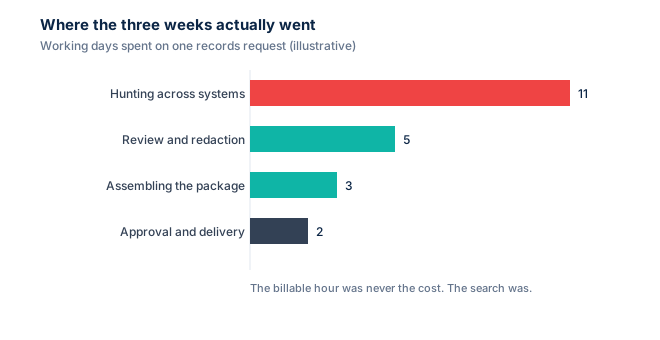
Look at where the days actually went and the lesson is uncomfortable. The legally required work, the review and redaction, was the small part. The hunt was the cost. And the hunt is the one part that is completely invisible until a request forces it into the open.
Organize for the request before it arrives
You cannot control when a records request lands or what it asks for. You can control whether your projects are retrievable when it does. The fix is not a bigger archive; it is a single, current index per project, an answer to the question what exists and where, maintained while the work is happening rather than reconstructed under a deadline. This is precisely the gap XNM-VISION was built to close: one home where a project's records, decisions, and correspondence are findable on demand, so a request becomes a search instead of an excavation.
Tomorrow, pick one finished project and ask the question an information request would ask: where is everything, and could you produce it in a day? If the honest answer is a wince, you have just found your next three-week emergency before it found you.
The retrieval problem behind this request runs through every part of a project's life - more field notes on the records that keep a project answerable show how findability quietly decides what a request costs.