The Drawing Set That Lied
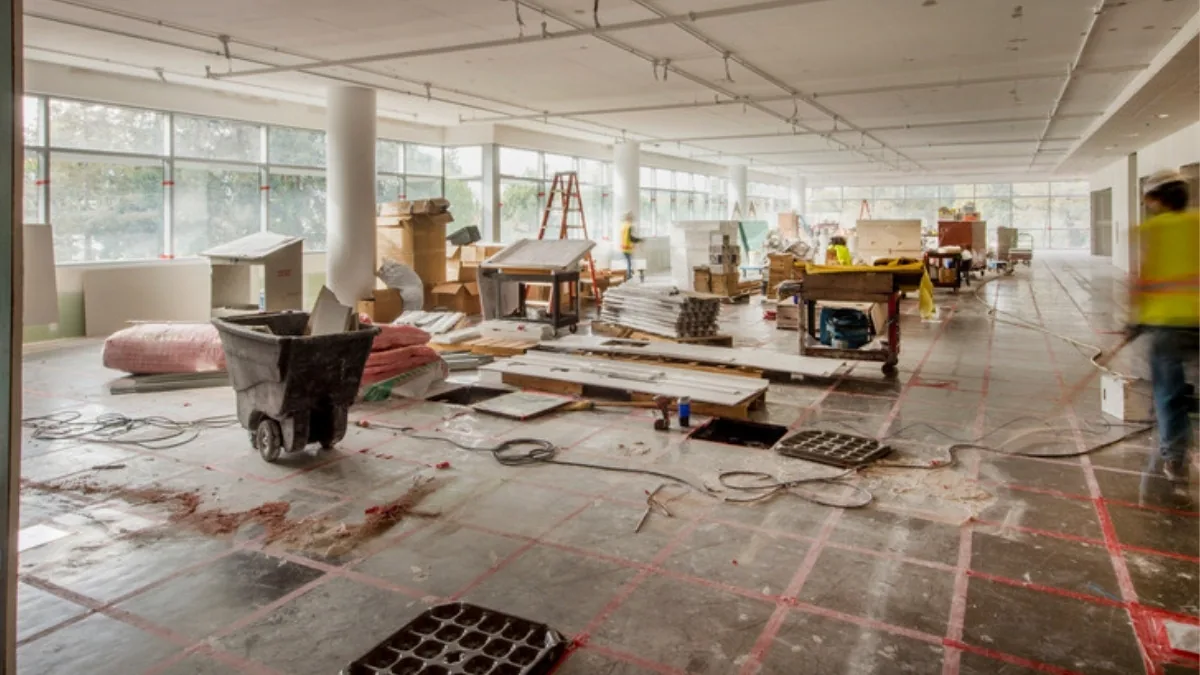
The saw bit into the wall exactly where the drawing said it was safe to cut. Two feet in, it found a live conduit that the drawing showed running three feet to the left. Work stopped. The conduit had always been there; the drawing was the thing that was wrong - frozen a revision behind, capturing a moment before someone rerouted that line in the field and never reissued the set.
Nobody on site had been reckless. They had done the responsible thing: they pulled the most current set they could find and trusted it. That is the quiet danger of as-built drawings. The set that looks final - that carries a revision letter, a date, a stamp, and a tidy title block - can still be lying to you. By the end of this, you'll see why the most dangerous drawing on a project is the one everybody believes.
An as-built is a promise about reality
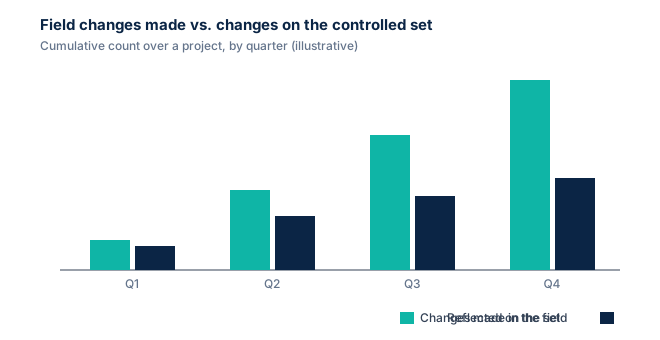
A design drawing says what someone intended to build. An as-built is supposed to say what was actually built - and those two things drift apart from the first day on site. A conduit gets rerouted around an obstruction. A footing shifts to clear a rock. A door swing flips because the room next door changed use. Each of those is a small, sensible field decision. Each one quietly makes the original drawing a little less true. The as-built set only stays honest if every one of those changes finds its way back onto the controlled drawing - and that is precisely the step that gets skipped when a schedule is tight.
When the update is skipped, the project splits into two truths: the wall, and the drawing. The wall is right. It is always right - it is the thing that exists. But people don't build against the wall; they build against the drawing. So the next crew, the next trade, the next renovation five years later inherits a document that confidently describes a building that isn't quite there.
Why the stale set wins
The stale set wins because it looks authoritative. It has all the trappings of a current document - the revision block, the engineer's stamp, the issue date - and people trust the artifact rather than checking its provenance. Nobody on a busy site stops to ask whether the impressive-looking sheet in their hands is actually the latest one. Drift creeps in through ordinary seams:
Markups that never make it home. The field copy gets redlined; the controlled set in the document system never receives the change.
Parallel sets. The trailer holds one version, the design office another, the subcontractor a third - and none of them know they disagree.
Revisions issued but not distributed. The corrected sheet exists, sitting in someone's inbox instead of in the field where the work is happening.
No single controlled copy. 'Latest' means whichever set you happened to grab, and grabbing is not the same as knowing.
Make the current set the only set
The fix is not heroics; it's control. One copy is the controlled copy - version-stamped, kept in a single place every trade reaches, and updated through a disciplined reissue process so a field change is not done until the drawing shows it. Superseded sheets get pulled, not left lying around to be grabbed by mistake. This is exactly the failure XNM-VISION was built to close: one auditable home for the drawings that govern the work, so the set in your hands and the building around you tell the same story. But even without software, the rule holds - one controlled set, current by design, and everything else marked superseded.
Tomorrow, before anyone cuts, drills, cores, or pours against a drawing, ask one question out loud: is this the current revision, and how do I know? If the answer is a shrug or 'it's the one in the folder,' you don't have an as-built. You have a confident guess with a stamp on it.
The same gap between what happened and what got recorded runs through change orders, RFIs, and approvals - more field notes on the records that keep a project honest show how a small undocumented change becomes an expensive surprise.