Field Notes: Utilities, the Grid, and Doubling the Paperwork
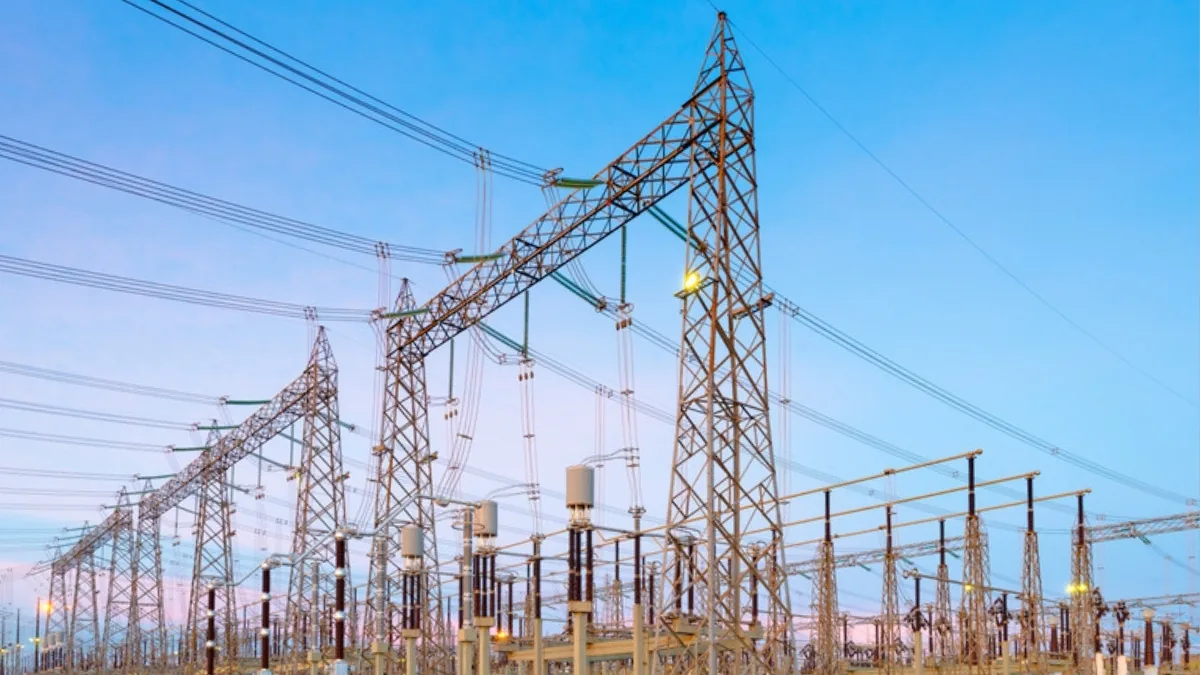
Walk a utility yard today and count the things that didn't exist a decade ago: the battery containers, the inverter skids, the second interconnection, the rows of metering you now need because power flows both ways. The steel is the visible half of the grid build-out. The invisible half - the half that actually decides whether a project gets energized on time - is paper. And it has roughly doubled.
Utilities have always run on records. What's changed isn't that documentation appeared; it's that the volume, and the number of parties who must agree, have climbed faster than the crews or the systems that manage them. By the end you'll see why the grid's real bottleneck is increasingly the file, not the field.
Every new connection is a new stack of agreements
A traditional line extension was, on paper, relatively simple: a route, an easement, a design, an inspection, an energization. A modern interconnection - a solar farm, a battery, a large new load, an EV depot - drags a much longer tail behind it. Studies. Protection settings. Environmental conditions. Landowner agreements. Regulatory filings. Commissioning records. And each of those has to be reconciled with an existing grid that is itself being upgraded at the same time.
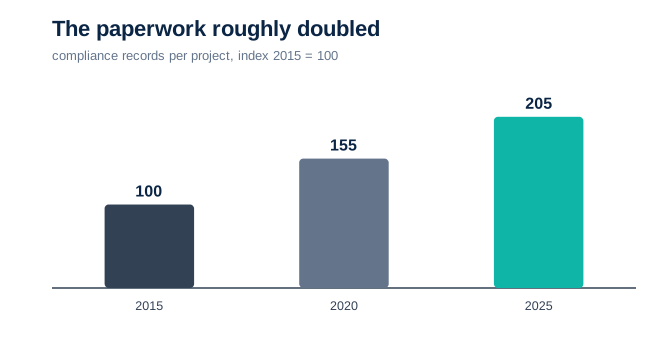
The doubling isn't hyperbole so much as a pattern crews describe: where one project once generated a folder, a comparable project now generates two, because there are more parties, more conditions, and more revisions before anything is final. And revisions are the quiet killer - a protection setting that changed after the study, a design that moved after the easement, a version of the truth sitting in three different inboxes.
The records test the grid keeps failing
Here's the test, and it's brutally simple: at energization, can you produce the current, approved, mutually-agreed version of every document that says this connection is safe and permitted? Not a version. The version. On the projects that slip, the field work is usually done. What's missing is the ability to prove, quickly, that the paperwork all points at the same reality.
The failures cluster in predictable places:
Studies that no longer match the as-built design.
Protection and control settings living in email instead of the record.
Environmental or landowner conditions tracked by one person who's now on another project.
Three 'final' versions of a drawing and no fast way to know which is real.
What the fast utilities do differently
The utilities that energize on schedule aren't the ones with fewer documents - they have just as many. They're the ones who treat the record as part of the asset, not an afterthought to it. Every document has one authoritative home. Every revision supersedes the last visibly. Every condition has an owner. When the regulator or the interconnection customer asks 'is this current?', the answer takes minutes, not a scramble.
If you run capital projects on the grid, the build-out isn't slowing down and the paperwork isn't shrinking. The teams that win the next decade will be the ones who decided that managing the record is engineering work - as real as the steel - and staffed and tooled it that way. The field is mostly a solved problem. The file is where the schedule now lives or dies.
The grid's paperwork problem is the same records test every capital project eventually faces - just at a larger scale and with more parties. more field notes on capital-project records are here.