Field Notes: Mining Closure and the 50-Year Record
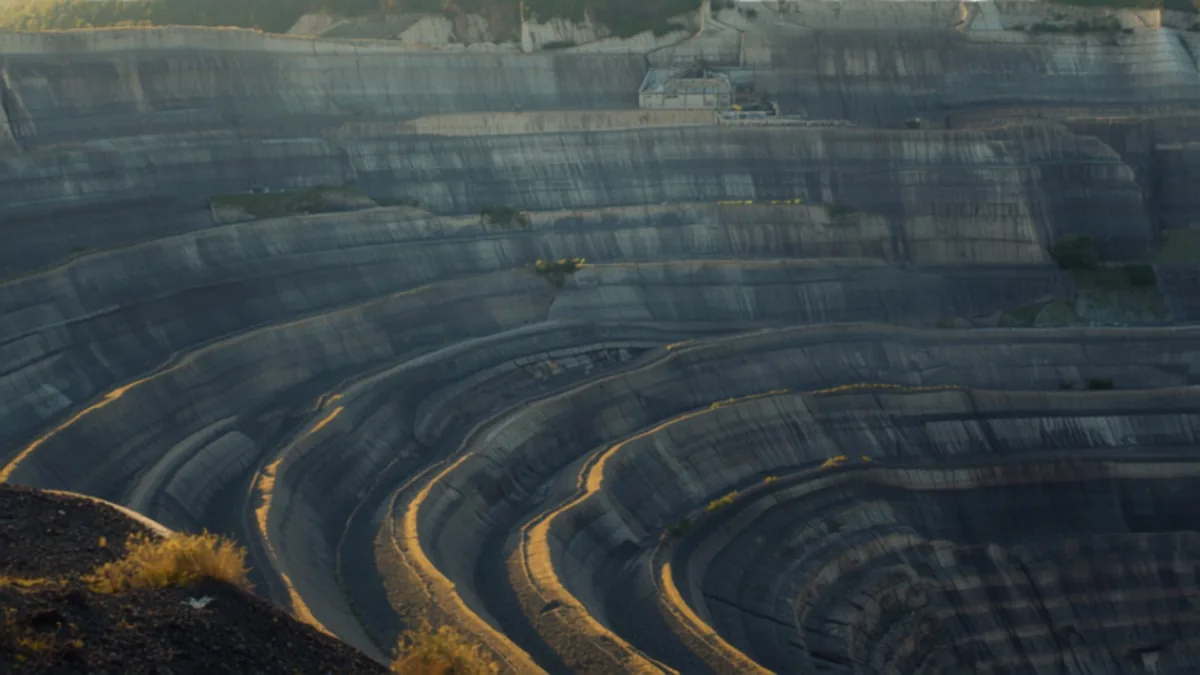
The day a mine stops producing is not the day the records stop mattering. It's the day they start mattering most — and the day the people who understand them begin to walk away. A closure record has a job to do for half a century, long after everyone who created it has moved on.
That is the strange arithmetic of mine closure. The obligation lasts longer than the crew, longer than the operating company, and far longer than whatever software the reports were written in. Every actor that helped create the record retires before the record is allowed to. Plan around the survivor — the file — or the obligation outlives the ability to meet it.
What a closure record has to carry
Closure isn't a single event; it's a decades-long monitoring commitment. Someone, years from now, has to be able to prove what was capped and where, how water quality has trended, what a monitoring well read in a specific year, and that every regulatory condition was met on schedule. Those aren't questions you answer from memory. They're questions you answer from a record — or fail to answer at all.
The uncomfortable part is who's asking. It probably isn't the person who wrote the record. It's a regulator, a future landowner, a community downstream, or a company that acquired the liability three transactions later and has no institutional memory of the site. The record is the only witness that stays in the room.
Everyone who made the record leaves before it's done
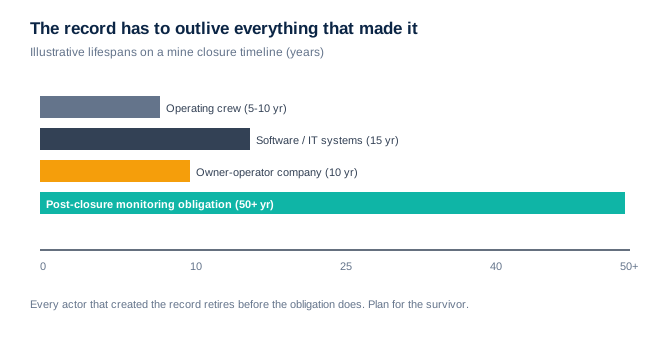
Look at the illustrative lifespans above. The operating crew might be on site for five to ten years. The IT systems get replaced on a fifteen-year cycle at best. The owner-operator may sell or wind down within a decade. And the post-closure monitoring obligation runs fifty years or more — a single bar that outlasts every other bar on the chart. A record strategy that depends on any of the short bars is a strategy that expires early.
Designing a record that outlives its makers
Long-lived records follow a few hard-won rules. Store them in open, durable formats, not whatever proprietary system happened to be in fashion — a PDF and a plain data table will still open in forty years; a 2020s app may not. Keep the context with the data, because a monitoring number without its method, units, and location is just a number. Assume every custodian is temporary and design the handoff, so the record survives an acquisition, a bankruptcy, or a system migration without losing its thread. And separate the record from the tool that made it: the obligation is to the information, never to the software.
The test that matters
Here's the field test for any closure record: if the company that made it disappeared tomorrow and a stranger inherited the site, could they open the file and understand their obligations without a single phone call? If yes, you've built something that will do its fifty-year job. If no, you've built a record that depends on people who, by design, won't be there.
A record that outlives its makers is the whole point of closure planning. For more field notes on keeping information that lasts, explore the XNM blog.