
May 3, 2026 · 2 min read
In March 2026, the federal government announced support for two First Nations in Ontario to acquire a nearly 20 per cent equity stake in a Hydro One transmission line. This transaction, enabled by the Canada Indigenous Loan Guarantee Corporation, is not an isolated event. It is part of a structural shift in how economic reconciliation is being operationalized in Canada. The question for First Nations leadership is no longer whether equity participation is possible. It is whether your Nation...
Read more →

May 3, 2026 · 2 min read
Indigenous Services Canada released its 2026-27 Departmental Plan in March 2026. For Band Councils and Directors of Infrastructure, this document is not bureaucratic background reading. It is a forward-looking signal of where federal investment priorities are heading, what compliance expectations are tightening, and which communities will be positioned to capture funding in the year ahead. The Problem: Most Communities React to Funding Rather Than Anticipate It Federal funding cycles are...
Read more →
May 3, 2026 · 2 min read
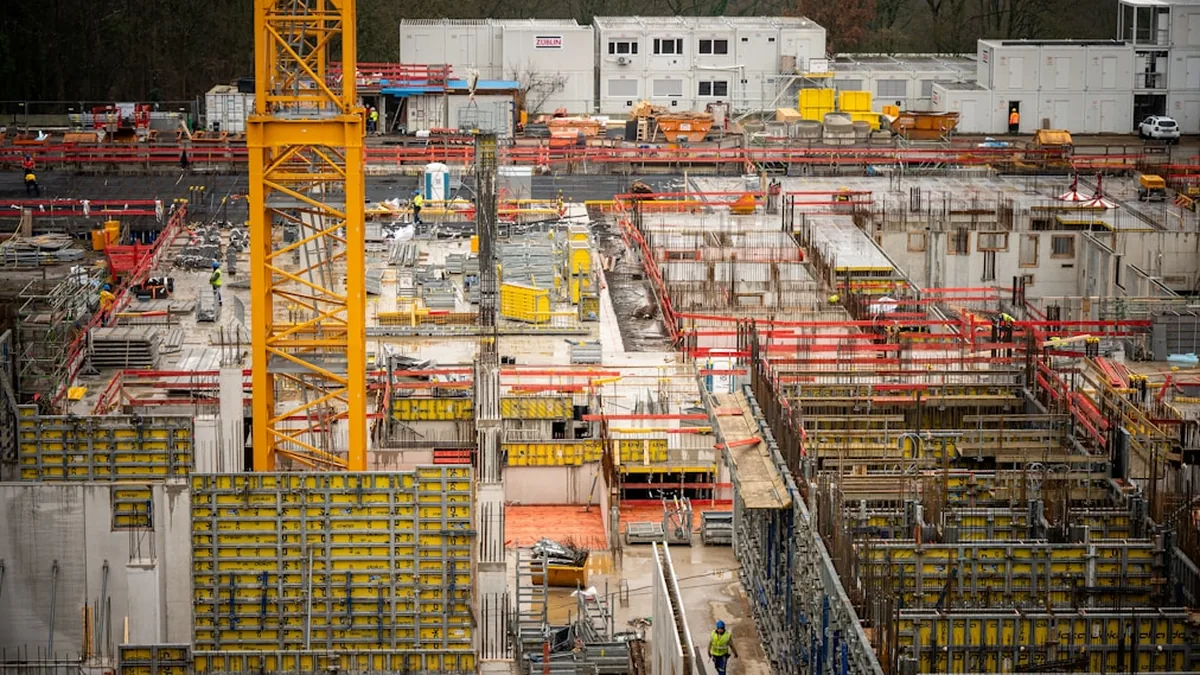
The Assembly of First Nations has documented that 157,453 new homes are needed to address the on-reserve housing crisis. But the crisis is not only about quantity. Across Canada, existing on-reserve housing stock is deteriorating faster than it is being repaired. Mould, structural failure, and overcrowding are not edge cases. They are the norm in too many communities. For housing directors, the challenge is not just building new units. It is managing an aging, underfunded stock while...
Read more →

May 3, 2026 · 2 min read
In February 2026, Canada and the Musqueam Nation signed historic agreements recognizing rights, stewardship, and fisheries. Canada now has 25 self-government agreements involving 43 Indigenous communities. For Nations in negotiation or post-agreement implementation, the governance capacity question is urgent: do you have the organizational infrastructure to exercise the authorities you are gaining? The Problem: Self-Government Rights Without Governance Infrastructure Self-government...
Read more →
May 3, 2026 · 2 min read
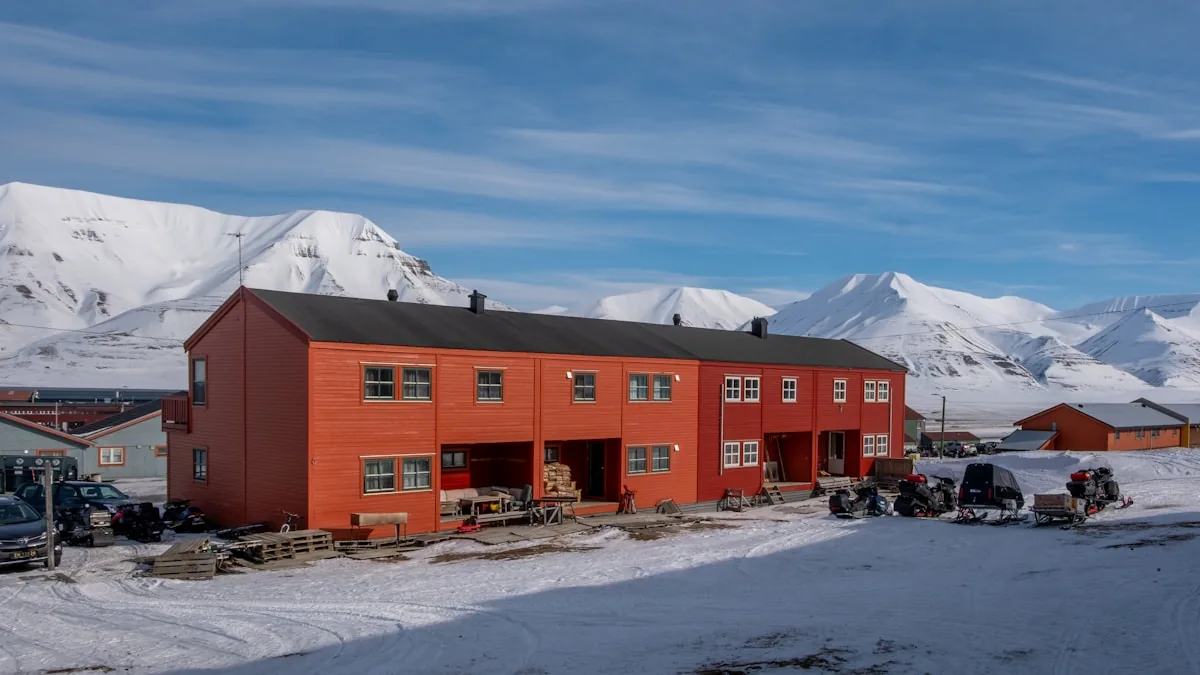
Canada's climate is changing faster in the North than anywhere else on the planet. For First Nations communities — many of which are built on permafrost, in flood plains, or in wildfire corridors — climate change is not a future risk. It is a present operational reality that is already damaging infrastructure, displacing families, and straining community budgets. The Problem: Infrastructure Built for a Climate That No Longer Exists Most on-reserve infrastructure was designed and built using...
Read more →
May 3, 2026 · 2 min read
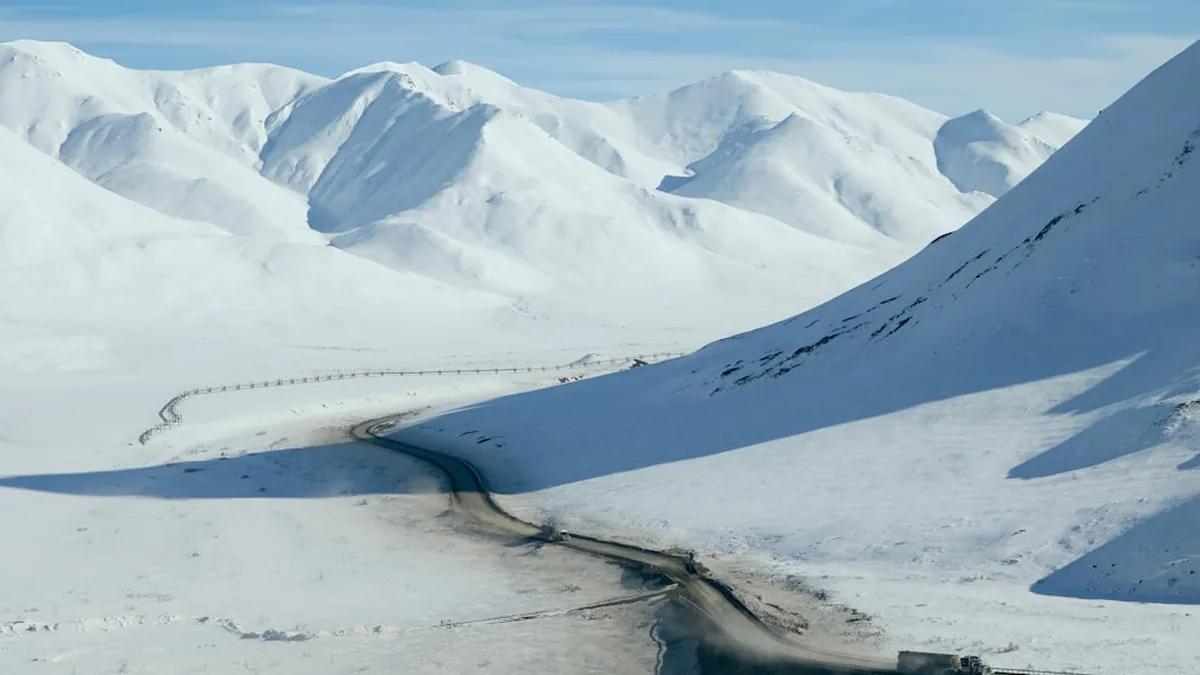
In February 2026, Canadian courts issued rulings that affirmed the federal government's legal duty to provide safe housing and clean water on reserves — and explicitly recognized the need for First Nations-led solutions. For Band Councils and Directors of Housing, this is not just a legal milestone. It is a mandate for action. The Problem: A Housing Crisis That Has Persisted for Decades The Assembly of First Nations estimates that 157,453 new homes are needed to address the on-reserve housing...
Read more →
May 3, 2026 · 5 min read
Through 2026, Nation governments watched the new premium on delivery-readiness move money and attention toward big builds. The capital is the easy part.
Read more →
May 2, 2026 · 2 min read
Canada's Spring Economic Update 2026 introduced the Canada Strong Fund — a $25 billion sovereign wealth vehicle seeded by the federal government and designed to co-invest in strategic Canadian projects alongside private capital. For Indigenous Nations pursuing major infrastructure, energy, and resource development projects, this is not background policy. It is a new financing instrument that could materially change the economics of projects you are already planning. The Problem: Most Nations...
Read more →

May 2, 2026 · 2 min read
A Comprehensive Community Plan represents the collective vision of a Nation — years of engagement, elder knowledge, and community aspiration distilled into a document that is supposed to guide decisions for a generation. Yet in community after community, the gap between that vision and the capital budget that funds it remains vast. The plan sits on a shelf. The budget reflects last year's priorities. And the community waits. The Problem: Vision Without a Financial Architecture Is Just a...
Read more →
May 2, 2026 · 2 min read
On April 1, 2026, Indigenous Services Canada replaced its decades-old tendering directive with a new Policy on Tendering for First Nations' Federally Funded Capital Projects. For housing directors and capital project managers, this is not a minor administrative update. It is a structural change to how federally funded infrastructure work gets procured — and non-compliance carries real consequences for project approvals and funding disbursements. The Problem: Old Habits in a New Compliance...
Read more →
May 2, 2026 · 2 min read
Hundreds of remote Indigenous communities across Canada still depend on diesel generators for electricity — paying among the highest energy costs in the country while contributing to the emissions they are least responsible for. In 2025, that began to change at scale. The question for First Nations leadership is no longer whether the clean energy transition will reach your community. It is whether your Nation will be a passive recipient of that transition or an equity owner in it. The...
Read more →
May 2, 2026 · 2 min read
Every day, data about your community members — health records, housing applications, program participation, economic activity — flows through systems your Nation does not control. As Canada accelerates its national AI strategy and digital transformation agenda, the question of who owns, governs, and benefits from Indigenous data is becoming one of the most consequential governance issues of this decade. The Problem: Data Flows Without Governance Create Structural Dependency Most First Nations...
Read more →