Climate Adaptation Is Now an Infrastructure Imperative: What First Nations Communities Need to Plan For
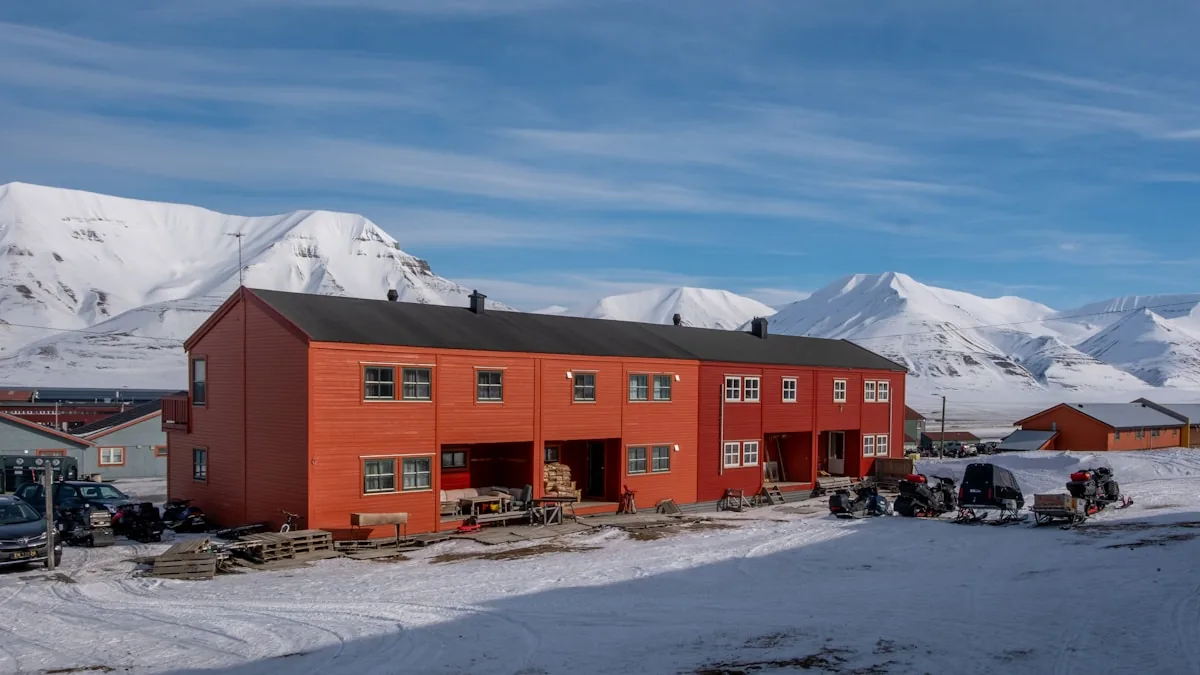
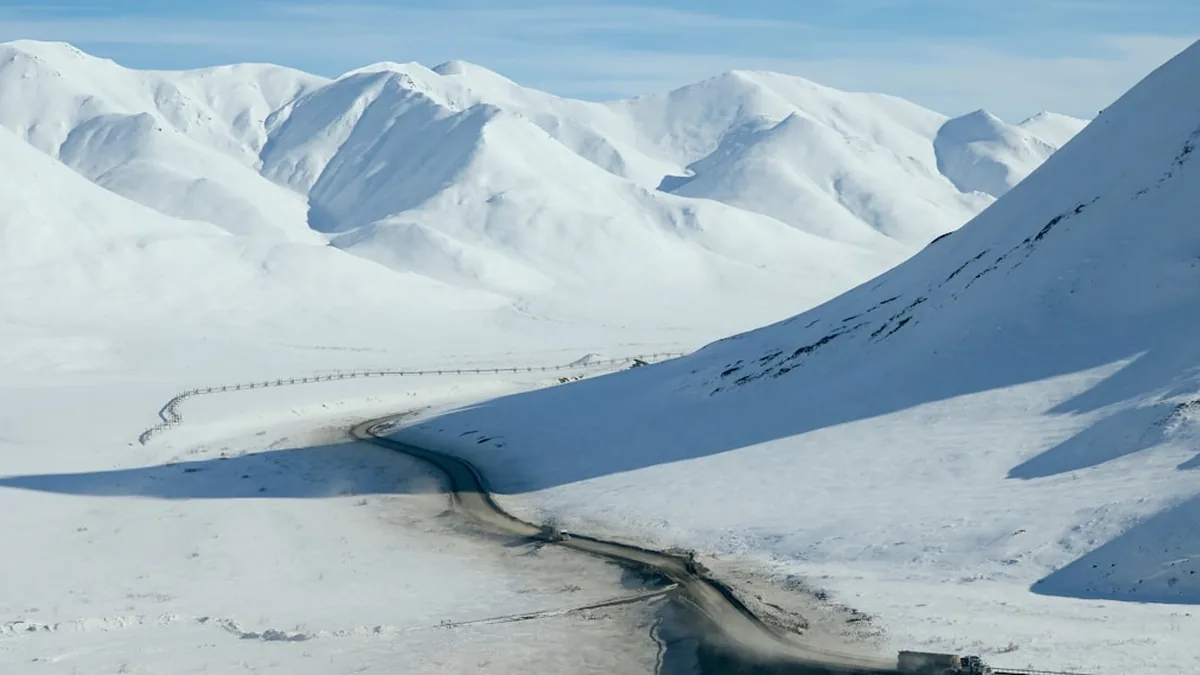
Canada's climate is changing faster in the North than anywhere else on the planet. For First Nations communities — many of which are built on permafrost, in flood plains, or in wildfire corridors — climate change is not a future risk. It is a present operational reality that is already damaging infrastructure, displacing families, and straining community budgets.
The Problem: Infrastructure Built for a Climate That No Longer Exists
Most on-reserve infrastructure was designed and built using climate assumptions that are now outdated. Roads wash out earlier in spring. Water systems are stressed by drought and flooding in the same season. Buildings designed for stable permafrost are shifting and cracking. The cost of reactive repair consistently exceeds the cost of proactive adaptation — yet most communities lack the planning capacity to get ahead of the problem.
The Trend: Federal Funding for Climate Resilience Is Available Now
The First Nation Adapt Program, administered by Crown-Indigenous Relations and Northern Affairs Canada (RCAANC), funded new projects in 2025–2026 specifically focused on climate change adaptation planning and infrastructure resilience. Canada's 2026–2030 Sustainable Jobs Action Plan also identifies the First Nations Infrastructure Fund as a key vehicle for climate adaptation investment. These programs are active — but they require communities to come with plans, not just needs.
The Solution: Proactive Planning That Unlocks Adaptation Funding
Climate adaptation funding flows to communities that can demonstrate they have assessed their risks, identified priority infrastructure, and developed a credible plan for resilience investment. This requires climate vulnerability assessments, infrastructure condition reviews, and capital plans that integrate climate risk into project prioritization.
XNM Technologies works with First Nations communities to build the planning and project delivery capacity needed to access and execute climate adaptation funding — from vulnerability assessments through infrastructure design, procurement, and construction oversight.
Practical Takeaways for Community Leadership
Conduct a climate vulnerability assessment for your community's critical infrastructure — roads, water systems, housing, and community buildings.
Identify which infrastructure assets are at highest risk from flooding, permafrost thaw, wildfire, or extreme weather events.
Align your capital plan with climate risk priorities — funders increasingly require climate resilience criteria in project applications.
Explore the First Nation Adapt Program and First Nations Infrastructure Fund for adaptation-specific funding streams.
Build climate resilience standards into new construction specifications — retrofitting later costs significantly more than building right the first time.
Conclusion
Climate adaptation is not a separate agenda from infrastructure delivery — it is the new standard for infrastructure delivery. Communities that integrate climate resilience into their capital planning today will build infrastructure that lasts, access more funding, and avoid the compounding costs of reactive repair.
Contact XNM Technologies to discuss how we can support your community's climate adaptation planning and infrastructure resilience strategy.