

Protecting What You Already Have: Wildfire and Flood Risk on Existing Community Assets
Most climate risk discussion focuses on new builds. The harder question is what to do about the assets already standing in harm's way.
Read more →Insights
Practical guidance on capital projects, governance, financing, and delivery for Indigenous and public-sector leaders.
Most climate risk discussion focuses on new builds. The harder question is what to do about the assets already standing in harm's way.
Read more →
Housing renewal can solve one problem and create another if displacement is not planned from the start.
Read more →
Many community assets are deep into their service life with little planned reinvestment. A lifecycle lens turns that hidden risk into a fundable plan.
Read more →
Audit and clawback risk can quietly accumulate inside live projects. Strong documentation discipline keeps eligible spending eligible.
Read more →
Insurance certificates can look complete and still leave the community holding the worst risks. Knowing where coverage ends is now a governance task.
Read more →
Contaminated sites rarely show up on a project's critical path until they stop it. A structured liability view keeps surprises off the schedule.
Read more →
Through 2026, developers watched the new premium on delivery-readiness move money and attention toward big builds. The capital is the easy part.
Read more →
The general contractor signs the contract, but the work happens through three or four layers of subcontractors. If the prime cannot coordinate those tiers, the schedule and the community-benefit commitments unravel together.
Read more →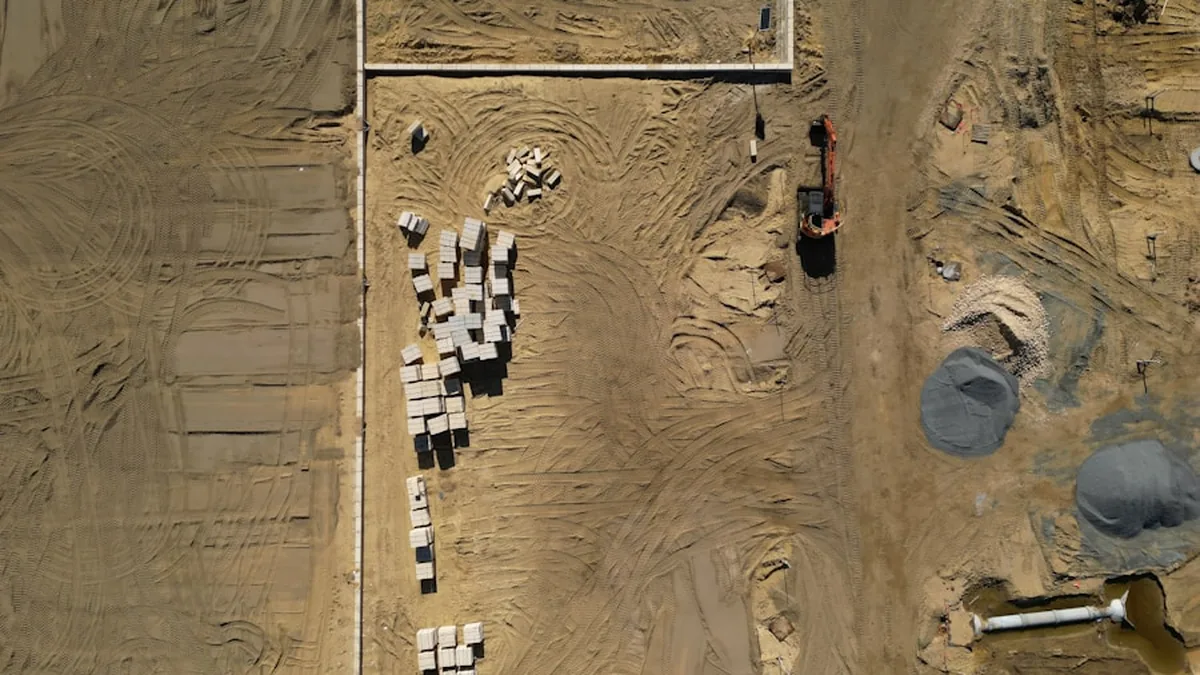
Tariffs and capacity constraints are reshaping what is actually available to buy in Canada this year. Locking in a specification before testing the market is the fastest route to a stalled site.
Read more →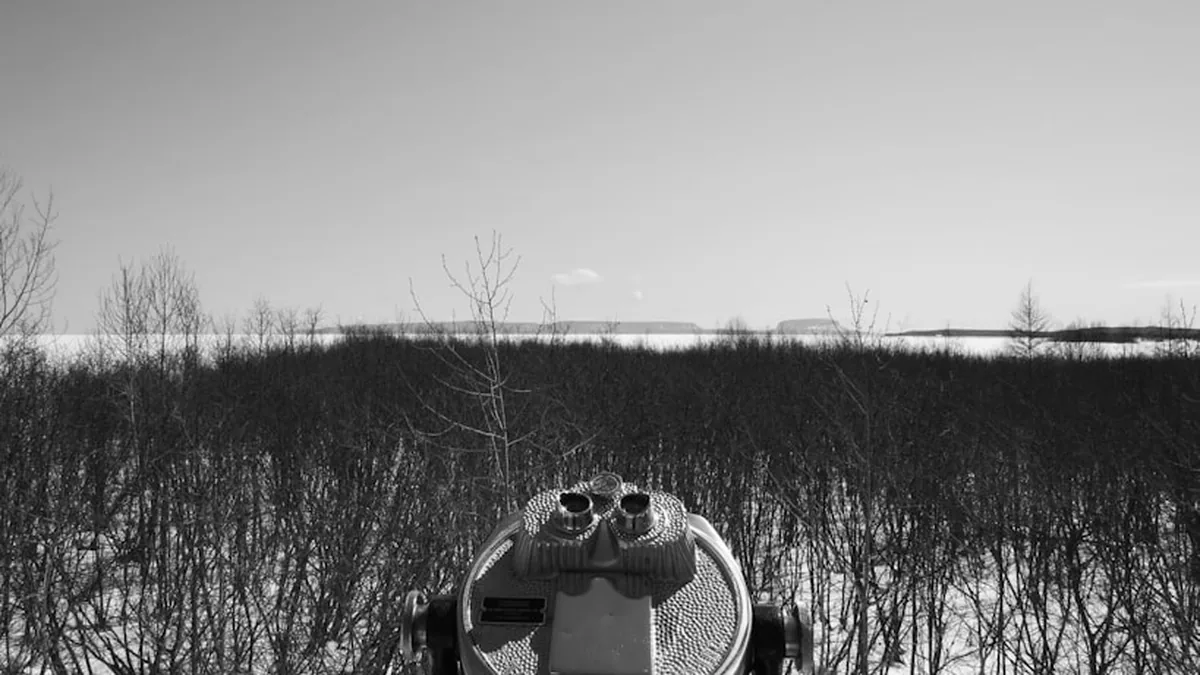
If your site is fly-in, barge-accessed, or winter-road served, the schedule is set by nature, not by the contractor. Plan the logistics before the design is finalized — not after.
Read more →
A capital project is also a workforce strategy — or a missed one. The communities that thread training into construction get more than the asset. They get tradespeople.
Read more →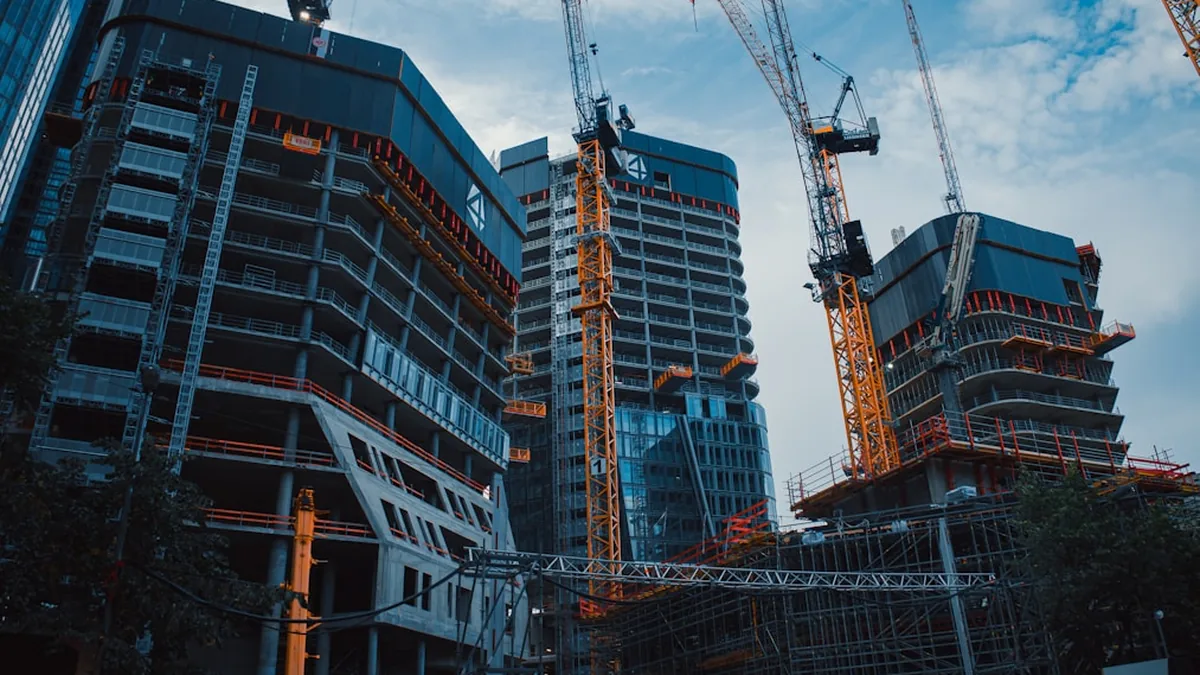
On multi-unit and multi-building projects, waiting for full completion before anyone moves in is a choice — and often the wrong one. Phased occupancy gets people housed sooner and surfaces problems while there is still a crew on site to fix them.
Read more →