Climate-Resilient Infrastructure: Accessing Federal Financing for First Nations Climate Adaptation
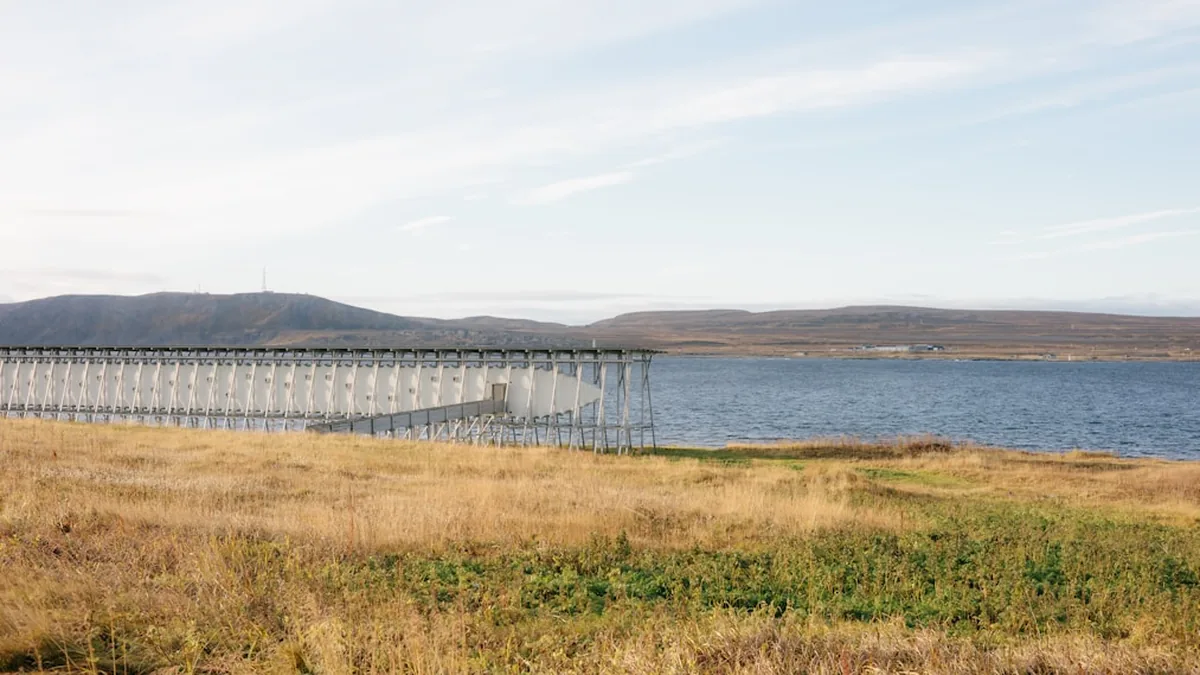
Your community's water system was designed for historical climate conditions. But climate is changing. Extreme weather is becoming more frequent. Flooding threatens infrastructure. Droughts stress water systems. Your infrastructure wasn't designed for this reality.
The Challenge
Climate adaptation isn't optional anymore. It's essential. And it's expensive. But federal financing is available—if communities know how to access it.
The Climate Adaptation Imperative
Climate impacts on Indigenous communities are severe. Water systems face droughts, flooding, and changing precipitation patterns. Energy systems experience extreme heat and cold stress. Transportation infrastructure is damaged by permafrost thaw and flooding. Community facilities fail under climate extremes.
The Assembly of First Nations estimates that climate adaptation infrastructure costs will exceed $50 billion over the next 20 years. Federal financing is available—but communities must understand how to access it.
Federal Climate Adaptation Financing
Multiple federal programs support climate adaptation infrastructure. First Nations Adapt Program provides funding for climate change adaptation projects in First Nations communities. Funded 171 projects between 2017-2022. Funding is available for 2025 projects.
National Disaster Mitigation Program supports infrastructure projects that reduce disaster risk. Clean Energy Infrastructure Fund supports renewable energy and energy efficiency projects. Water Infrastructure Funding supports water system projects, including climate adaptation components. Budget 2025 includes specific allocations for Indigenous climate adaptation infrastructure.
Building Climate-Resilient Infrastructure
Climate-resilient infrastructure requires climate risk assessment to understand how climate change will affect your community. Infrastructure redesign adapts infrastructure to withstand projected climate impacts. Nature-based solutions often provide climate adaptation benefits at lower cost. Monitoring and adaptation ensures infrastructure is adjusted as climate impacts evolve.
Accessing Federal Financing
Accessing federal climate adaptation financing requires conducting a comprehensive climate risk assessment. Develop specific projects that address identified risks. Develop a compelling business case that demonstrates climate risks addressed, infrastructure benefits, cost-benefit analysis, implementation timeline, and operational sustainability. Apply for federal financing with comprehensive documentation. Implement projects and monitor performance.
XNM's Climate Adaptation Support
XNM helps communities conduct comprehensive climate risk assessments, develop climate adaptation infrastructure projects, identify nature-based solutions that provide climate benefits, develop business cases for federal financing, navigate federal funding programs, implement climate-resilient infrastructure, and monitor and adapt infrastructure as climate impacts evolve.
Practical Takeaways
1. Climate adaptation is infrastructure: Treat it with the same strategic importance as other infrastructure priorities.
2. Federal financing is available: Multiple programs now fund climate adaptation infrastructure. Identify which programs align with your needs.
3. Nature-based solutions work: Green infrastructure often provides climate adaptation benefits at lower cost than engineered solutions.
4. Plan for the long term: Climate adaptation requires 20-30 year planning horizons. Build governance structures that survive leadership transitions.
Conclusion
Climate change is reshaping infrastructure requirements. Communities that build climate-resilient infrastructure now will be better positioned to withstand climate impacts. With federal financing available for climate adaptation projects, the time to act is now.
Call-to-Action
Is your community ready to build climate-resilient infrastructure? XNM's Climate Adaptation program helps First Nations conduct climate risk assessments, develop adaptation projects, and access federal financing. Contact us to discuss your community's climate adaptation priorities.