Broadband as Infrastructure: Why Digital Connectivity Is Now a Capital Priority for First Nations
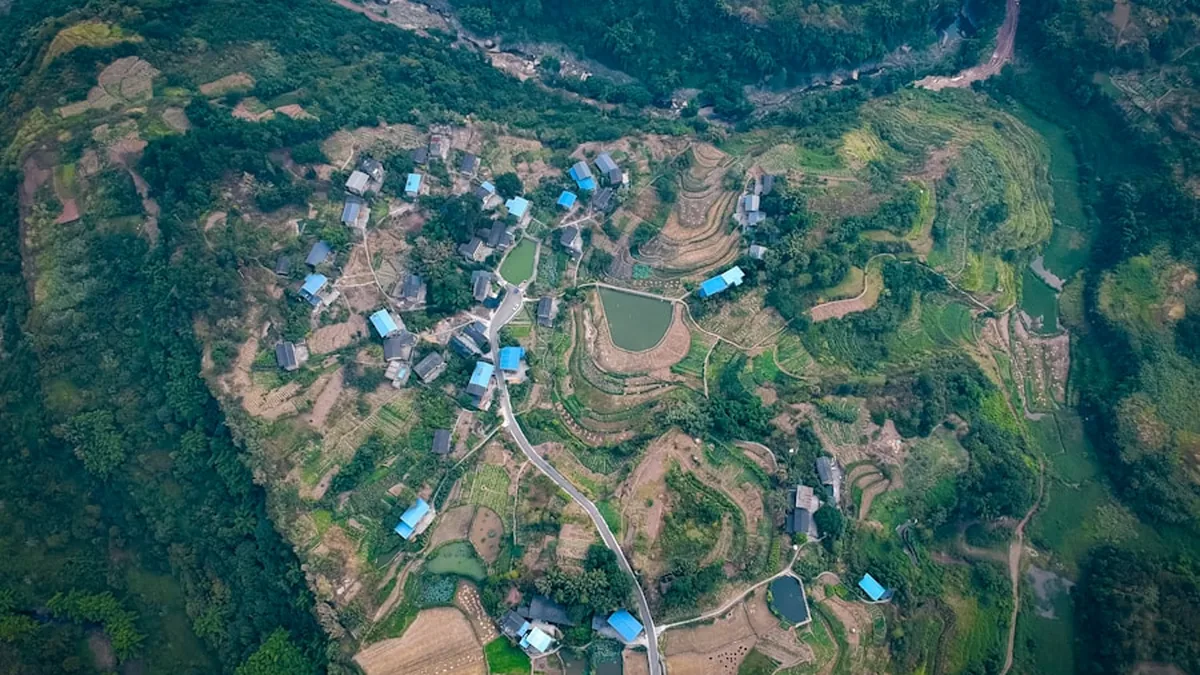
Your community has housing, water systems, and roads. But 40% of residents lack reliable broadband access. Remote work is impossible. Students can't access online learning. Businesses can't compete. Digital infrastructure has become as critical as physical infrastructure—but many communities haven't recognized it yet.
The Challenge
The Shift in Federal Policy
Budget 2025 explicitly recognizes broadband as infrastructure. The federal government is investing $2.8 billion in digital infrastructure for rural and remote communities, with specific allocations for Indigenous communities. This represents a fundamental policy shift: broadband is no longer a "nice to have"—it's a capital priority.
For Band Councils and community leaders, this creates both opportunity and urgency. Communities that position broadband as a capital infrastructure project can access federal funding, attract private investment, and create economic development opportunities that weren't possible before.
Broadband as Economic Development
The data is clear: communities with reliable broadband see measurable economic benefits. Business attraction increases as companies require reliable connectivity. Workforce development becomes viable when infrastructure exists. Service delivery improves through telehealth and online education. Youth retention improves as young people no longer need to leave for digital opportunities.
Accessing Federal Broadband Funding
Multiple federal programs now fund broadband infrastructure for Indigenous communities. The Universal Broadband Fund supports broadband deployment in underserved areas. Budget 2025 dedicates $2.8 billion specifically for Indigenous digital infrastructure. Regional development programs often include broadband components.
However, accessing this funding requires clear project definition and business case, governance structures that can manage complex infrastructure projects, partnership frameworks with private providers, and long-term operational planning.
Strategic Broadband Planning
Effective broadband infrastructure requires more than technology deployment. It requires strategic planning. Needs assessment identifies current connectivity gaps and community priorities. Technology selection determines whether fiber, wireless, or satellite is appropriate. Operational sustainability planning ensures networks function long-term. Digital literacy programs help residents and businesses use broadband effectively.
XNM's Broadband Infrastructure Support
XNM helps communities develop broadband infrastructure business cases that qualify for federal funding, evaluate technology options and select solutions aligned with community needs, structure partnerships with private providers and government agencies, create operational and financial sustainability plans, and implement digital literacy programs that maximize infrastructure value.
Practical Takeaways
1. Broadband is infrastructure: Treat it with the same strategic importance as water systems or roads.
2. Federal funding is available: Multiple programs now fund Indigenous broadband projects. Identify which programs align with your community's needs.
3. Plan for operations: Technology deployment is 30% of the challenge. Operations, maintenance, and digital literacy are 70%.
4. Economic development follows infrastructure: Communities with broadband see measurable increases in business activity, employment, and youth retention.
Conclusion
Digital infrastructure is no longer optional. Communities without reliable broadband will fall further behind in the digital economy. With $2.8 billion in federal funding now available specifically for Indigenous digital infrastructure, the time to act is now. Strategic broadband planning positions your community for economic development, attracts investment, and creates opportunities for the next generation.
Call-to-Action
Is your community ready to make broadband a capital infrastructure priority? XNM's Digital Infrastructure program helps First Nations develop comprehensive broadband strategies that access federal funding and create long-term economic value. Let's discuss your community's digital infrastructure priorities.