Building Against the Calendar: Northern Construction Seasons in 2026
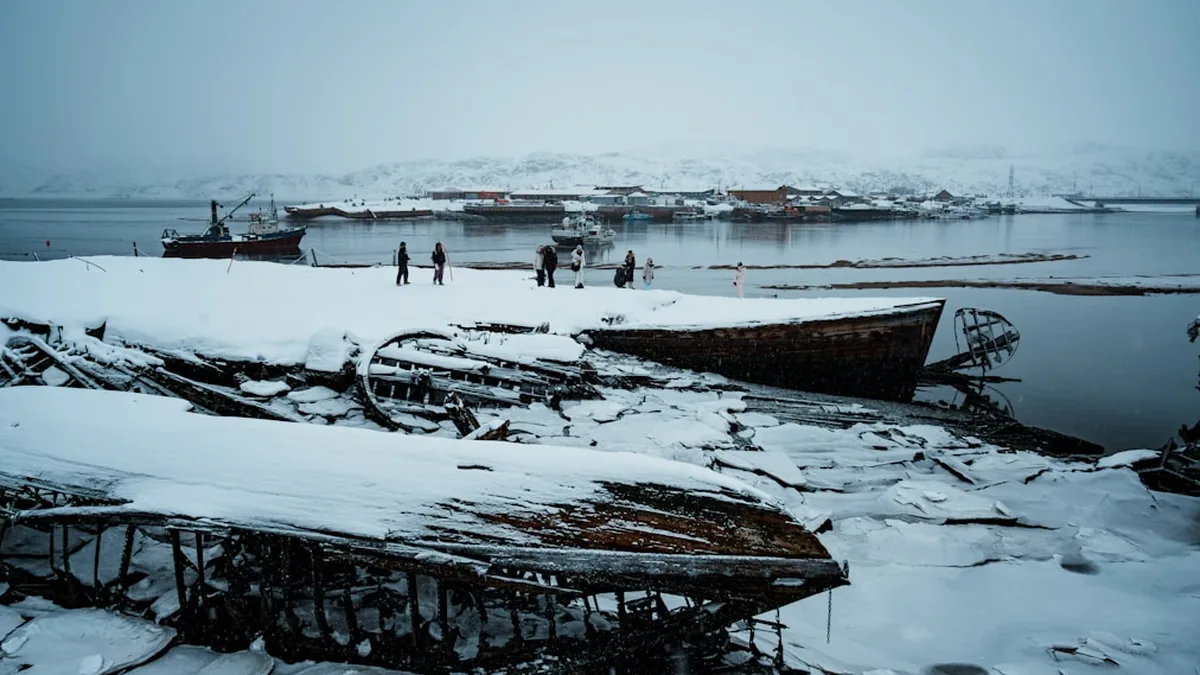
In southern Canada, weather is a risk. In the North, weather is the schedule. Winter roads open and close on dates the project does not get to choose. Barge windows are measured in weeks. Ground conditions move with permafrost. Once the season closes, the next opportunity is twelve months away, with carrying costs and inflation pressing on every line of the budget.
Yet many capital plans still treat the construction season as a soft constraint, sliding mobilization dates a few weeks at a time as design or procurement run late. The result is a half-built shell that has to overwinter, or material stuck at the wrong end of a closed road.
Recent context
Recent reporting on Canada's northern build pipeline notes that workforce, logistics and seasonal planning are the binding constraints, and that delivery success will depend on long-horizon planning and deep collaboration with Indigenous communities.
The governance and PM angle
Season-aware governance means anchoring the project schedule to the season, not the other way around. Working backwards from the close of the winter road or the last barge of the year forces honest conversations about whether the design phase, procurement and mobilization are actually achievable, and where to compress, defer or stage.
How XNM helps
XNM helps owners build season-anchored schedules that are realistic before contractors price them. We sequence pre-fabrication, sealift or winter road logistics, and on-site work so that the right scope is in the community when the season opens, and so that the steering committee knows in March whether the August target is real.
Practical takeaways
Anchor the schedule to the season. Identify the immovable date — barge, winter road, freeze-up — and plan backwards from it.
Pre-build off-site where possible. Modular and panelized scopes reduce on-site days when days are scarce.
Stage materials early. Getting steel and mechanical equipment in-community in winter beats waiting for summer trucking.
Plan for overwintering. If overwinter is possible, design for it; if not, define the no-go date in advance.
Brief Council on the season clock. Leadership decisions should be on the season calendar, not the fiscal one.
FAQ
What if design is not finished when the season opens?
Early works packages and progressive procurement can let foundations and servicing proceed while the rest of design closes out. This requires deliberate contracting, not improvisation.
How early should the season schedule be locked?
For most remote projects, six to nine months before mobilization. Beyond that, logistics costs rise sharply and capacity disappears.
The bottom line
In the North, the calendar is non-negotiable. Plan around it from the start and the project gets a season. Plan around it late and the project gets a year of carrying costs.