The Owner's Representative Role Most Capital Projects Skip — and Pay For
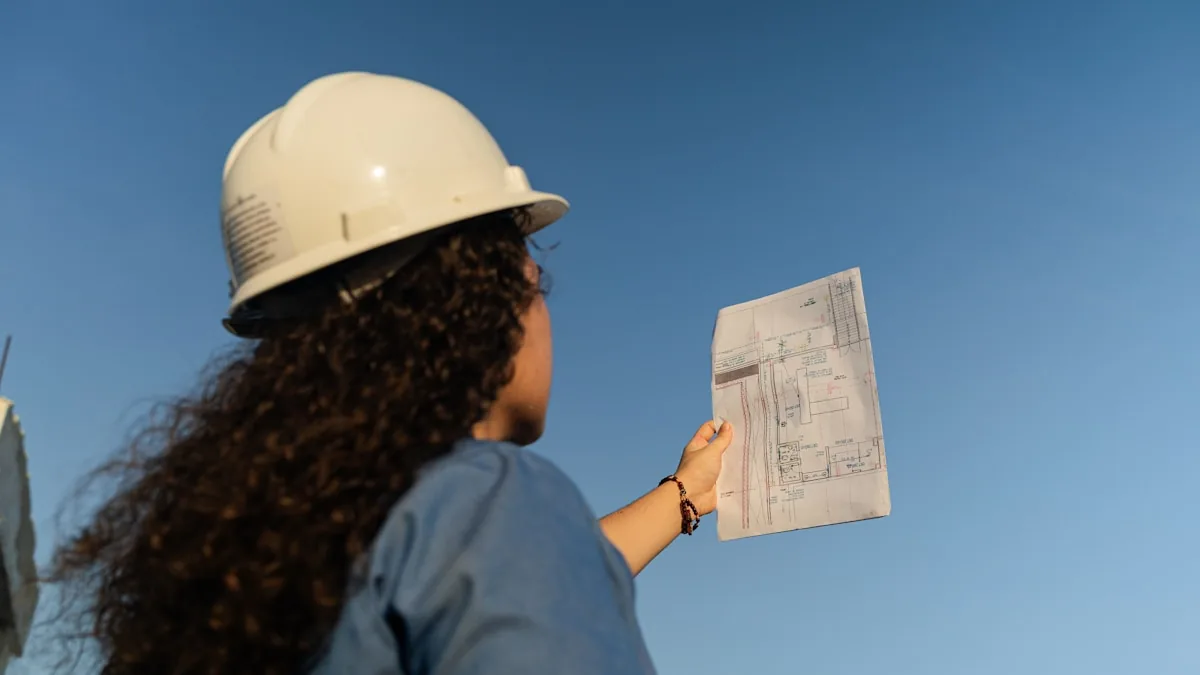
On any meaningful capital project, three parties sit at the table: designer, contractor, and owner. The first two arrive with full teams, defined scopes of service, and clear interests. The owner — Chief and Council, the Band Administrator, the housing or infrastructure director — often arrives with a fraction of that capacity, juggling the project alongside everything else they do. The result is asymmetry. Decisions tilt toward whoever has the most people in the room.
An owner's representative is the role designed to close that gap: a single point of accountability that speaks for the owner, holds the consultant and contractor to the contract, and translates technical questions into governance decisions Council can actually approve.
Recent context
Industry practitioners are increasingly pointing to owner-side capability as the decisive factor in delivery, with recent KPMG analysis arguing that nation-building mega projects require a different operating model on the owner's side. The same logic applies, in proportion, to community-scale infrastructure.
The governance and PM angle
The owner's representative does not replace the project manager or the construction manager. They sit above the project, accountable to leadership, with authority to escalate, ratify scope changes, and challenge cost or schedule advice that does not serve the Nation's interest. The role works best when it is written into the project charter, not improvised mid-project.
How XNM helps
XNM serves as owner's representative for First Nations and Indigenous organizations on capital projects, sitting alongside Council and senior staff. We hold designers and contractors accountable to the agreed scope, prepare decision packages for the steering committee, and keep the project's interests aligned with the funding agreement and the community's long-term plan.
Practical takeaways
Define the role in writing. Authority, reporting line and decision rights belong in the project charter from day one.
Separate from designer and contractor. The owner's rep cannot also be the firm doing the design or build.
Equip them with the budget. An owner's rep without a full picture of cost and contingency cannot protect the owner.
Set a regular Council briefing. Even short monthly updates prevent surprises and build trust.
FAQ
Is an owner's representative the same as a project manager?
No. A PM runs the day-to-day project. The owner's rep represents the owner's interests across the project lifecycle and reports to leadership, not to the project.
Can in-house staff fill the role?
Sometimes. When in-house capacity is stretched or the project is unusually complex, bringing in an external owner's rep is often the most cost-effective way to protect the asset.
The bottom line
If no one at the table is paid to represent the owner, the owner will be under-represented. Naming the role is one of the cheapest, highest-impact governance moves a Nation can make on a capital project.