Beyond Capital: Securing Sustainable Maintenance Funding for First Nations Infrastructure
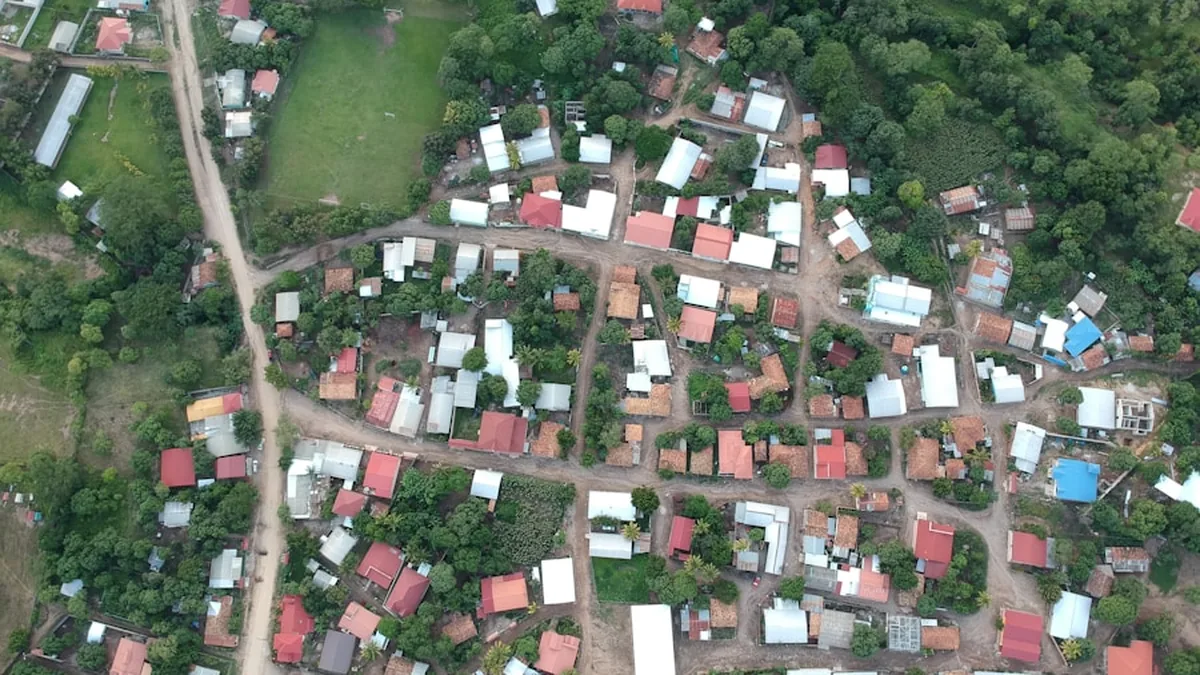
Your community received $10 million for a new community center. The building is beautiful. But five years later, the roof needs replacement. The HVAC system is failing. The parking lot is deteriorating. And there's no maintenance budget.
The Challenge
This scenario repeats across Indigenous communities. Federal funding flows for capital projects, but maintenance funding is scarce. Communities build infrastructure they can't afford to maintain, leading to premature deterioration and wasted investment.
The Maintenance Funding Crisis
The numbers are stark. First Nations infrastructure maintenance backlog exceeds $30 billion. 40% of First Nations infrastructure is in poor or critical condition. Deferred maintenance costs increase 5-10% annually. Communities without maintenance funding lose 30-40% of infrastructure value within 10 years.
The root cause: capital funding and maintenance funding are treated as separate issues. They're not. Sustainable infrastructure requires integrated capital and maintenance planning.
Maintenance Funding Models
Effective maintenance funding requires multiple revenue streams. User fees from water systems, recreation facilities, and other revenue-generating infrastructure can support maintenance. However, user fees must be affordable and politically acceptable.
Government transfers through ISC's Capital Facilities and Maintenance Program provide direct funding for maintenance planning and execution. Community revenue from business operations, property taxes, or other sources should dedicate a portion to maintenance. Maintenance reserve funds that accumulate annually provide stability. Lifecycle replacement funds for major replacements ensure planned maintenance.
Developing a Maintenance Funding Strategy
Effective maintenance funding requires strategic planning. Asset inventory and condition assessment documents all assets and estimates remaining lifespan. Maintenance cost projections calculate annual costs for the next 20 years. Revenue analysis identifies all potential revenue sources. Funding gap analysis compares projected costs to revenues. Strategy development closes identified gaps.
Federal Maintenance Funding Programs
Multiple federal programs support maintenance funding. ISC Capital Facilities and Maintenance Program provides direct funding for maintenance planning and execution. ISC Asset Management Program funds asset management planning that supports maintenance decisions. Infrastructure Bank finances major infrastructure projects including maintenance components. Regional development programs include maintenance components.
XNM's Maintenance Funding Support
XNM helps communities conduct comprehensive asset assessments and maintenance cost projections, develop maintenance funding strategies aligned with federal programs, structure user fee systems that are affordable and politically acceptable, create reserve fund policies that ensure long-term sustainability, access federal maintenance funding programs, and implement asset management systems that optimize maintenance spending.
Practical Takeaways
1. Maintenance is capital planning: Integrate maintenance planning into capital planning from the start.
2. Multiple revenue streams: No single revenue source is sufficient. Develop diverse funding strategies.
3. Plan for the long term: Maintenance funding requires 20-30 year planning horizons.
4. Access federal programs: ISC funding is available for maintenance planning and execution. Use it.
Conclusion
Infrastructure is only valuable if it's maintained. Communities that develop comprehensive maintenance funding strategies ensure that capital investments generate long-term value. With federal funding available for maintenance planning and execution, now is the time to build sustainable maintenance strategies.
Call-to-Action
Is your community struggling with maintenance funding? XNM's Infrastructure Maintenance program helps First Nations develop comprehensive funding strategies that ensure long-term sustainability. Contact us to discuss your community's maintenance priorities.