May 5, 2026 · 2 min read
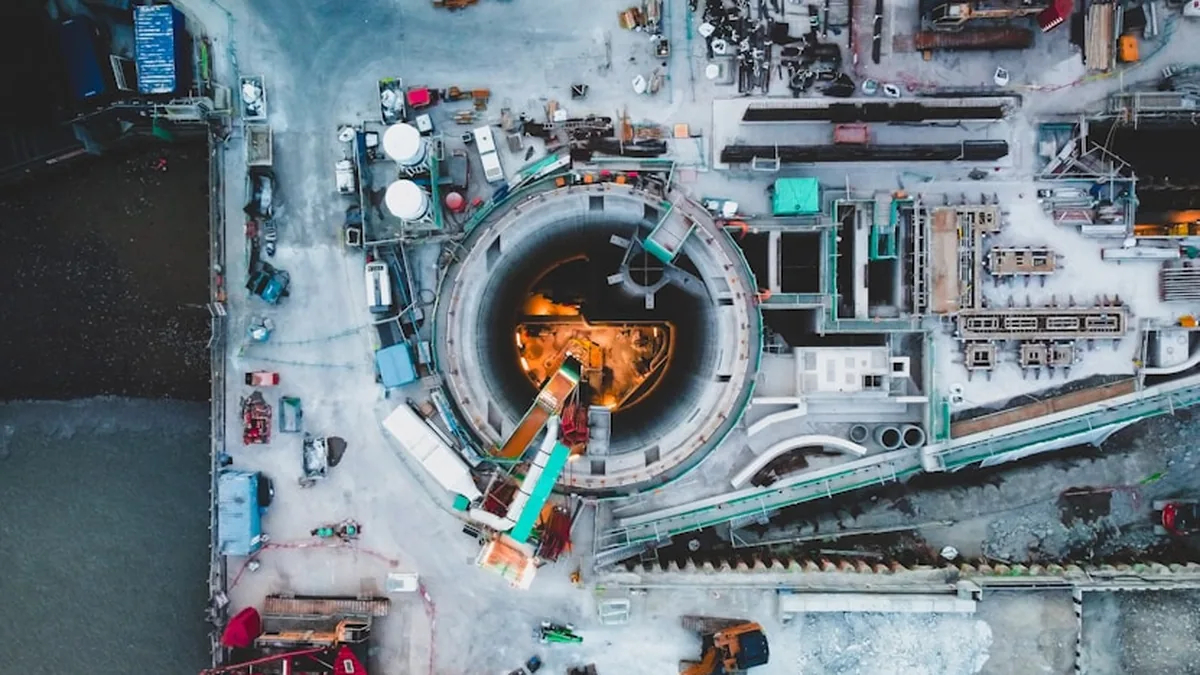
Your community has multiple infrastructure needs: housing, water systems, community facilities, transportation infrastructure. How do you prioritize? How do you sequence projects to maximize impact? How do you align infrastructure investments with broader community development goals? Strategic infrastructure roadmapping provides the framework for answering these questions. The Challenge: Reactive vs. Strategic Planning Without a strategic roadmap, communities make infrastructure decisions...
Read more →

May 5, 2026 · 2 min read
A $50 million infrastructure project fails to deliver on time. A $20 million housing initiative stalls mid-construction. These aren't hypothetical scenarios—they're recurring challenges in Indigenous communities managing large capital projects. The common denominator? Weak governance structures that create confusion, delay decisions, and erode stakeholder confidence. The Problem: Governance Failures in Capital Projects Capital project governance failures stem from unclear decision-making...
Read more →
May 5, 2026 · 2 min read
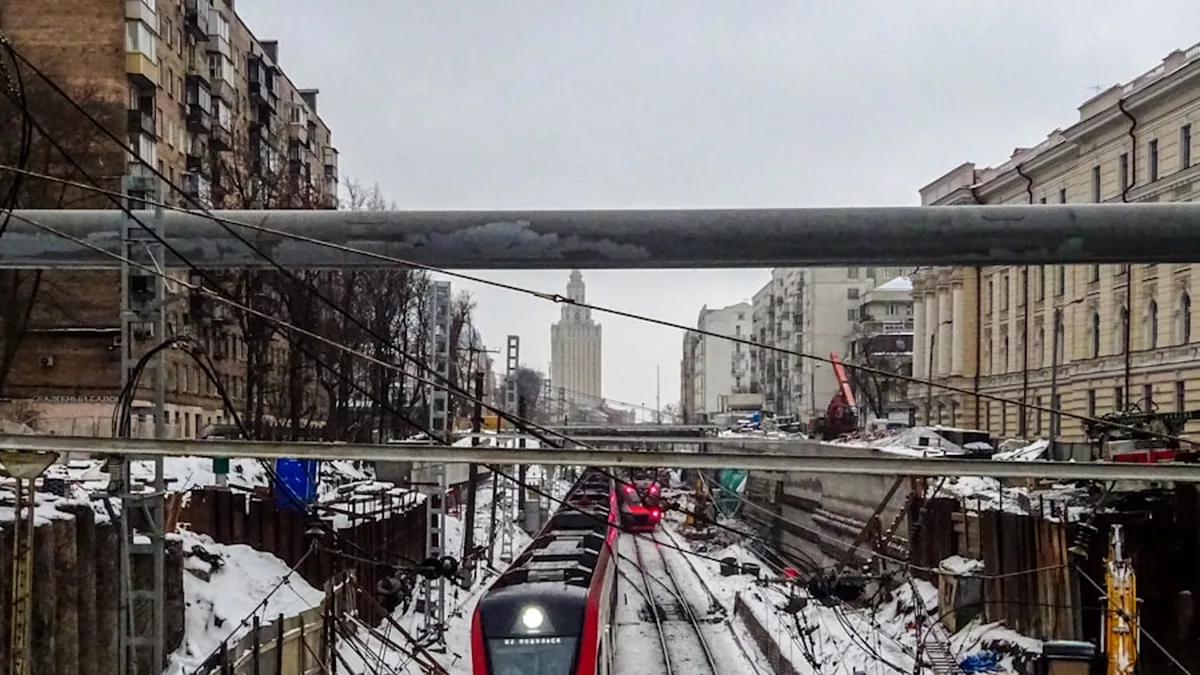
Your community receives a $5 million infrastructure grant. Excitement builds. Then the compliance requirements arrive—detailed reporting templates, audit schedules, and documentation standards. Many communities discover too late that compliance isn't an afterthought; it's a prerequisite for accessing future funding. The Challenge: Compliance Complexity Indigenous communities often underestimate the complexity of federal funding compliance. The 2025-26 Financial Reporting Requirements from...
Read more →

May 5, 2026 · 2 min read
The federal government's Build Canada Homes initiative represents a historic opportunity for Indigenous communities. With $2.8 billion committed to Indigenous housing and infrastructure, Band Councils and community leaders face a critical question: How do we position our community to access and successfully execute these projects? The Challenge: From Opportunity to Execution While funding availability has increased significantly, many Indigenous communities struggle with the planning and...
Read more →
May 5, 2026 · 3 min read
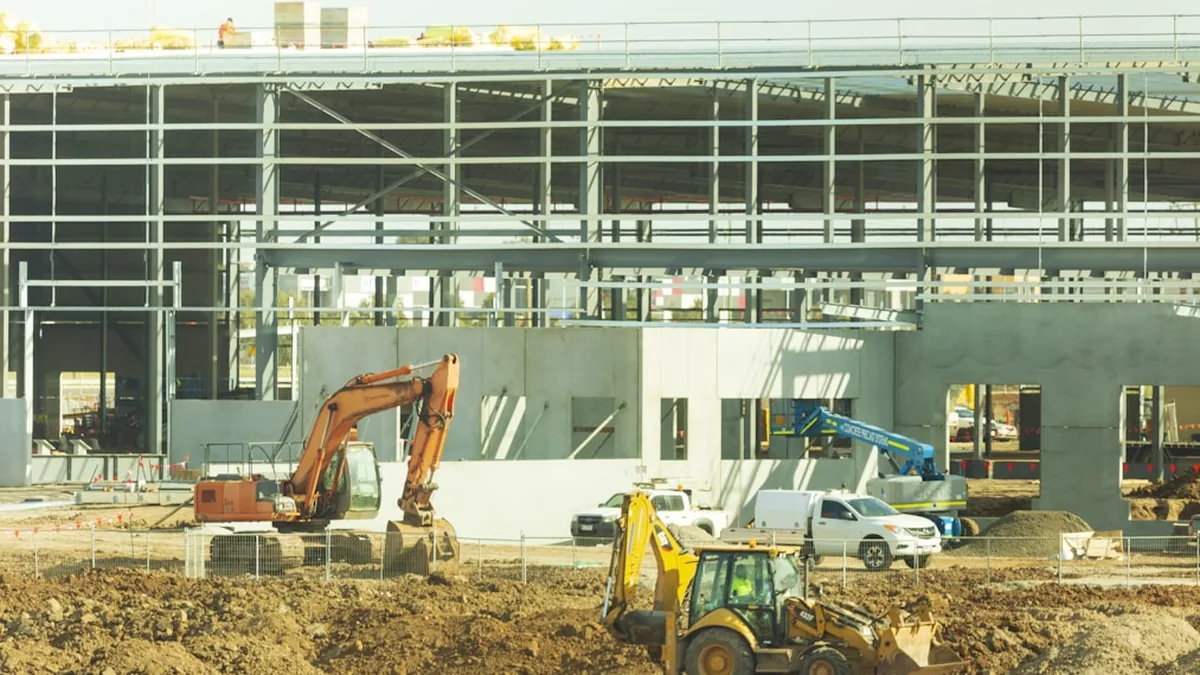
Crown-Indigenous Relations and Northern Affairs Canada's 2026 departmental plan confirms that self-government implementation is accelerating. With 25 self-government agreements now in place involving 43 Indigenous communities — and more in active negotiation — the federal government is advancing sectoral governance and self-government support as a core priority. For Nations that have signed or are approaching implementation, the governance question is urgent: does your organization have the...
Read more →
May 5, 2026 · 3 min read
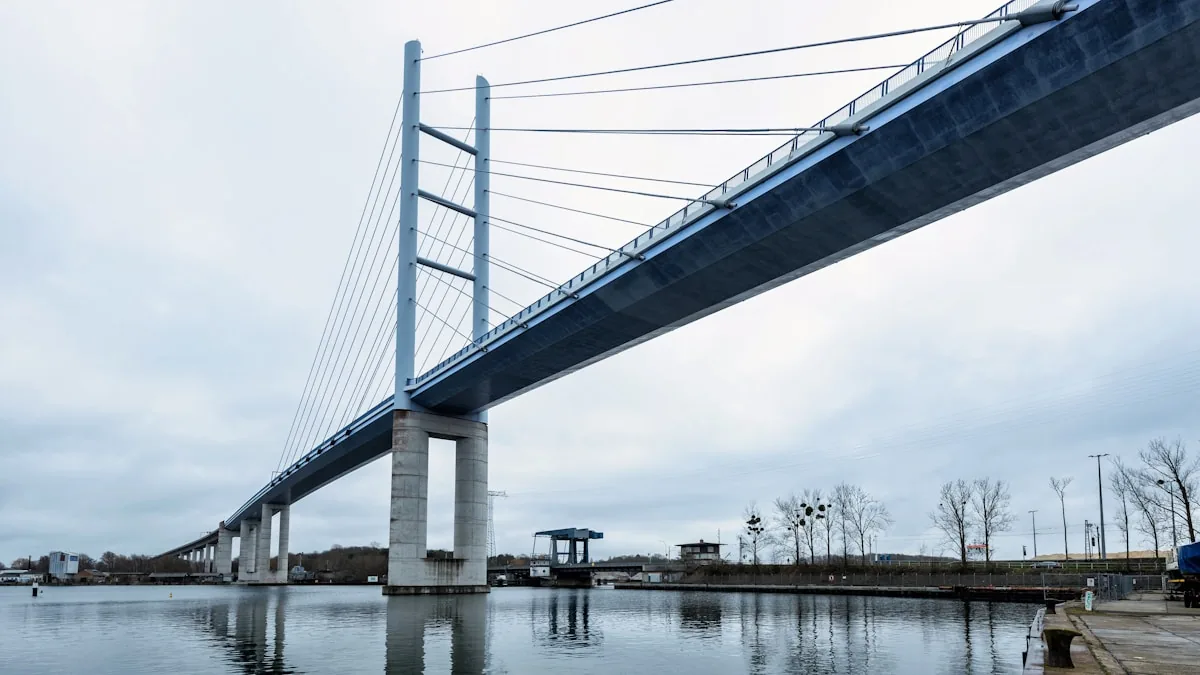
The Assembly of First Nations' Closing the Infrastructure Gap by 2030 report established a national benchmark: the scale of infrastructure investment required to bring First Nations communities to a standard comparable with non-Indigenous Canadians. In February 2026, the AFN presented updated findings to the Senate Standing Committee on National Finance, reinforcing that the gap remains significant — and that the pace of federal investment, while accelerating, is not yet sufficient to close...
Read more →

May 5, 2026 · 2 min read
Federal policy has shifted. The Building Canada Act, the Canada Indigenous Loan Guarantee Corporation, and Budget 2025's explicit commitment to Indigenous equity ownership in critical minerals and clean energy have collectively created a policy environment where First Nations are expected to be project owners — not just impact benefit agreement signatories. For Nations that have spent years in the consultation seat, this shift requires a fundamental change in how they approach major project...
Read more →

May 5, 2026 · 2 min read
Canada's clean energy transition is accelerating. BC Hydro's 2025 call for power, federal clean energy investments in Indigenous communities in Quebec, and the Building Canada Act's explicit commitment to Indigenous equity ownership in critical minerals and clean energy have collectively created a policy environment where First Nations are expected to be project owners — not just consulted parties. The question is whether your Nation has the project development and governance capacity to...
Read more →

May 5, 2026 · 3 min read
Artificial intelligence is no longer a future concern for Indigenous communities — it is a present one. Federal departments, health systems, resource companies, and technology platforms are already using AI to analyze data that includes information about First Nations communities, members, and territories. A 2026 analysis found that AI systems are replicating historical patterns of colonial data extraction — collecting Indigenous data without consent, using it to inform decisions that affect...
Read more →
May 5, 2026 · 2 min read
As of the 2025–2026 fiscal year, 191 First Nations are operating under the New Fiscal Relationship (NFR) Grant — a flexible, multi-year funding arrangement with Indigenous Services Canada that represents a fundamental shift in how federal dollars flow to communities. For Band Councils and Directors of Finance, this is not just an administrative change. It is a governance opportunity — and a governance test. The Problem: Flexible Funding Requires Stronger Internal Systems The NFR Grant gives...
Read more →
May 5, 2026 · 2 min read
In March 2026, Canada's Procurement Ombudsman found little oversight over the multi-billion-dollar Procurement Strategy for Indigenous Business (PSIB) — the federal program that mandates set-aside contracts for Indigenous-owned businesses. The audit found that $862 million in PSIB set-aside contracts were awarded in a single fiscal year, yet the verification mechanisms for Indigenous Business Directory (IBD) listings remain weak. For legitimate Indigenous businesses and Nations with business...
Read more →

May 5, 2026 · 5 min read
progress reports on closing the infrastructure gap made one thing clear in 2026: getting capital projects approved is no longer the bottleneck. Delivering them — and being able to show your work — is.
Read more →