
May 20, 2026 · 2 min read
A building is not delivered until it works, the operators know how to run it, and the documentation lives somewhere people can find it. Most capital projects under-invest in that last mile.
Read more →
May 20, 2026 · 2 min read
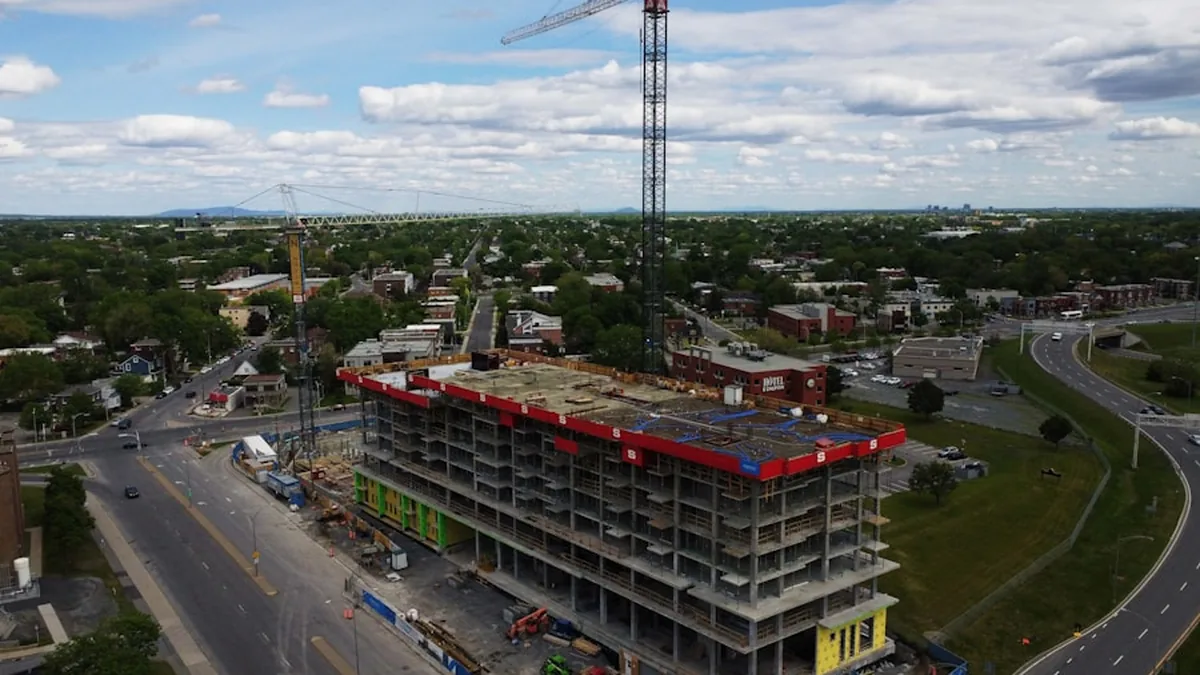
Funding agreements assume a tidy procurement window. Reality is messier. Here is how to keep both on the same page without compromising governance.
Read more →

May 20, 2026 · 2 min read
Every capital project will have change orders. The question is whether your governance is built to absorb them or be surprised by them.
Read more →

May 20, 2026 · 2 min read
In remote and northern Indigenous communities, the season is the schedule. Treating it any other way is how projects miss a year.
Read more →
May 20, 2026 · 2 min read
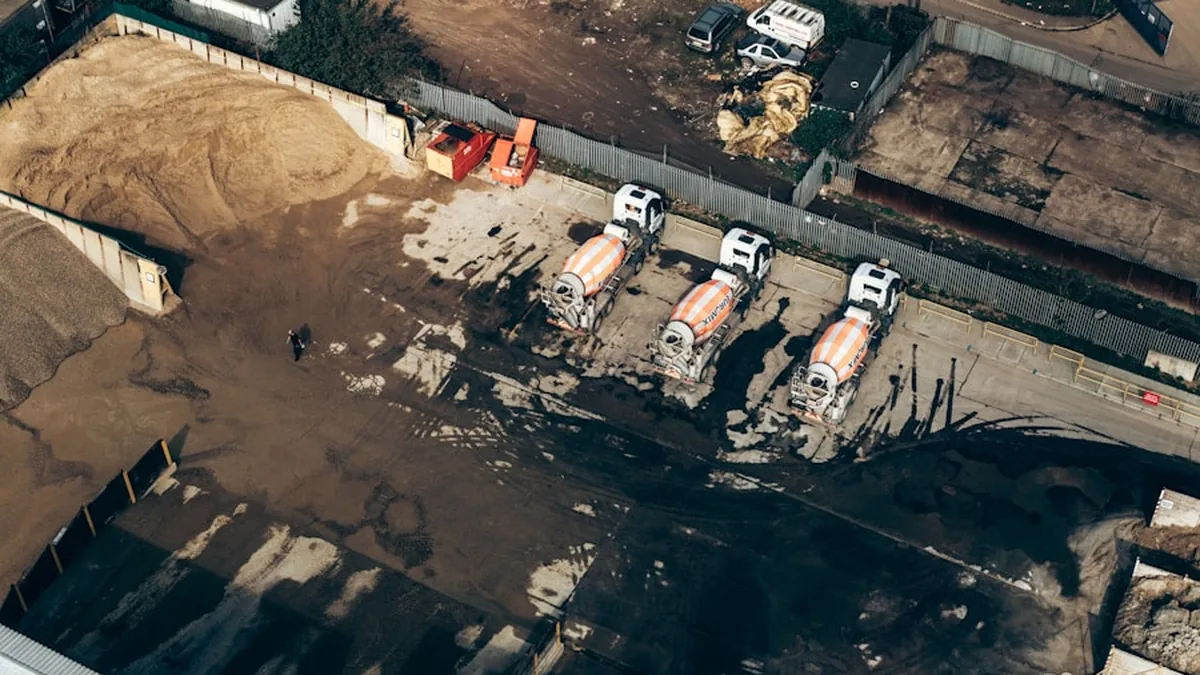
On too many Indigenous capital projects, drawings are finished while the site itself is not. Closing that gap is the most underrated execution lever you have.
Read more →

May 20, 2026 · 2 min read
Designers represent design. Contractors represent construction. Who represents the owner? On many Indigenous capital projects, no one — and it shows.
Read more →
May 20, 2026 · 1 min read
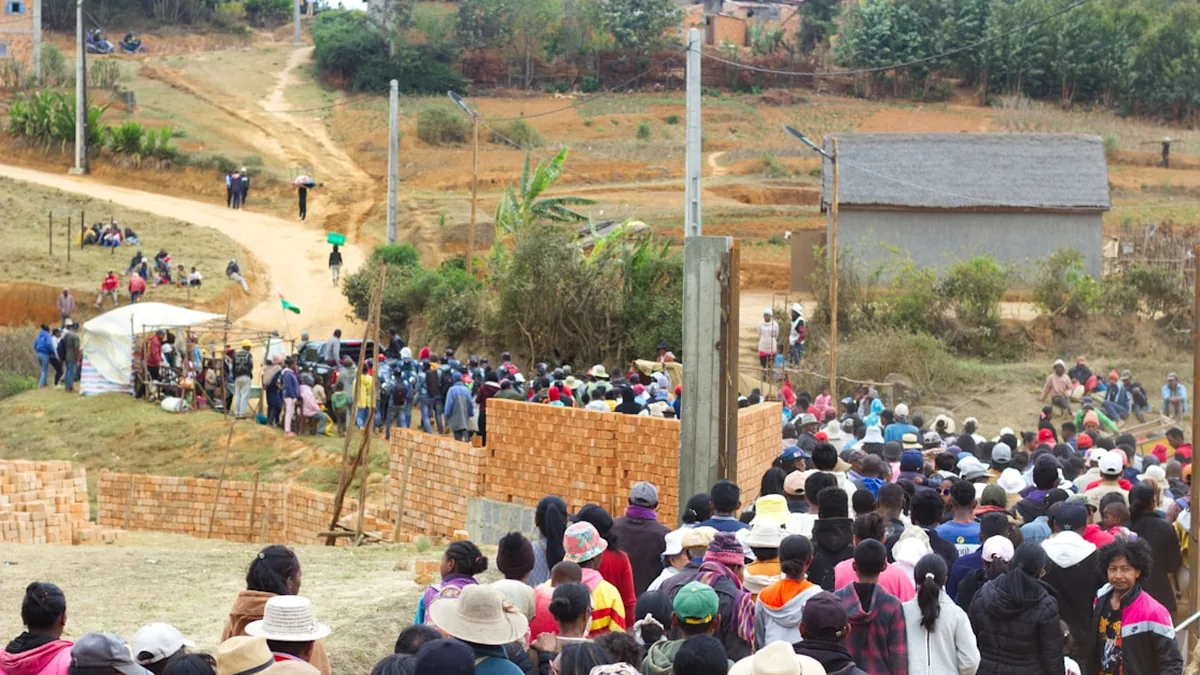
Indigenous capital projects often face cost overruns and schedule delays. A significant driver: procurement processes that are either too rigid (missing market opportunities) or too loose (inviting cost escalation). Strategic procurement—designed specifically for Indigenous communities—can control costs, accelerate timelines, and build local economic capacity. The Procurement Challenge Many Indigenous communities use standard government procurement processes designed for large, predictable...
Read more →

May 20, 2026 · 1 min read
Federal funding windows are widening in 2025-2026, but application complexity is growing faster than most Indigenous administrations can absorb. Communities report that proposal requirements now demand expertise in environmental assessment, financial modeling, project management, and compliance frameworks. The result: many communities cannot compete for available funding, not because they lack projects, but because they lack application capacity. The Capacity Gap A typical federal...
Read more →
May 20, 2026 · 1 min read
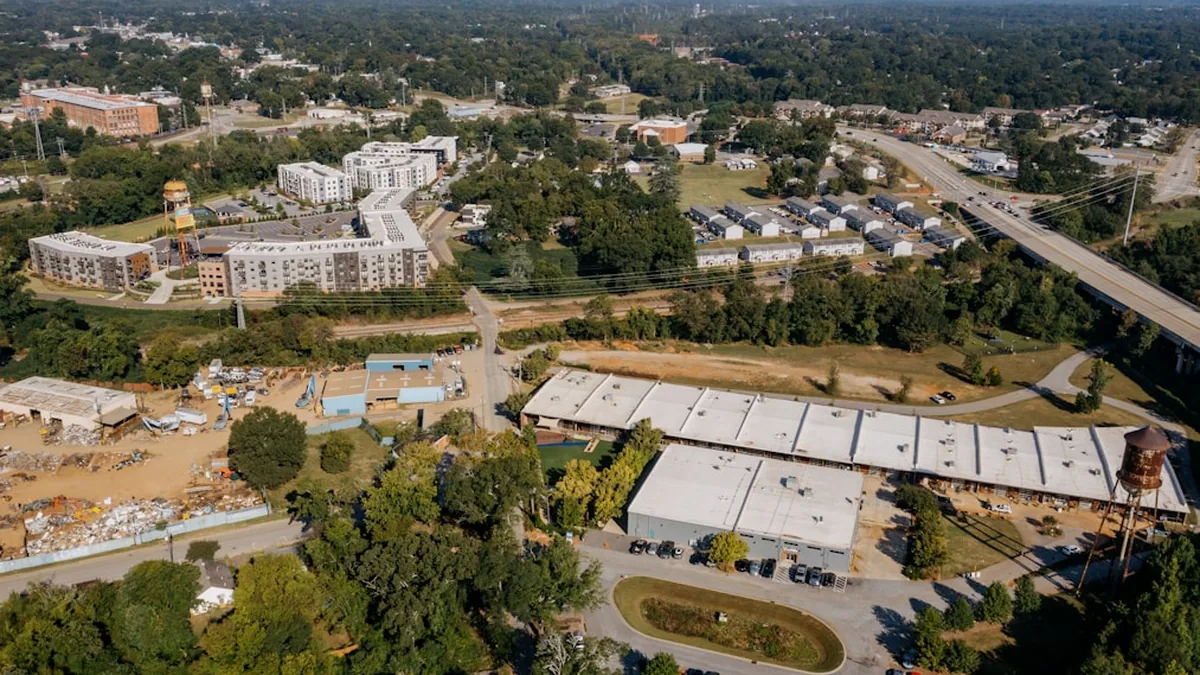
Budget 2025 accelerates infrastructure approvals for Indigenous communities. Fast-track processes mean decisions that once took 18 months now happen in 6. This speed creates both opportunity and risk. Communities that establish governance frameworks designed for velocity will capture funding and accelerate delivery. Those that maintain traditional approval processes will miss windows and lose competitive advantage. The Speed Challenge Rapid approvals require rapid decision-making. Traditional...
Read more →

May 20, 2026 · 2 min read
Federal funding announcements rarely align with construction seasons. A community receives approval in March but cannot mobilize until the following spring. By then, costs have escalated, contractors have moved on, and momentum has stalled. This multi-year gap is one of the largest hidden costs in Indigenous capital projects. Closing it requires strategic planning and governance discipline. The Gap Problem The gap exists between three critical moments: (1) Funding approval, (2) Project...
Read more →

May 20, 2026 · 1 min read
Securing federal funding is a visible victory. But the real risk begins after the money arrives. Federal programs come with complex compliance requirements: reporting timelines, audit protocols, eligible expense definitions, and claw-back provisions. Indigenous Finance Directors who understand these requirements protect their communities from costly compliance failures and funding recovery actions. The Hidden Compliance Landscape Each federal program defines its own compliance framework....
Read more →

May 20, 2026 · 2 min read
In December 2024, the Canada Indigenous Loan Guarantee Corporation launched a transformative financing tool designed to accelerate economic reconciliation. For Band Councils and Indigenous leadership, this program represents a critical shift: access to capital no longer depends solely on federal grant cycles. Instead, communities can now leverage loan guarantees to unlock private and institutional financing for infrastructure projects that have been delayed or underfunded. The Problem:...
Read more →