Procurement Readiness: The Hidden Prerequisite for Federally Funded Capital Projects
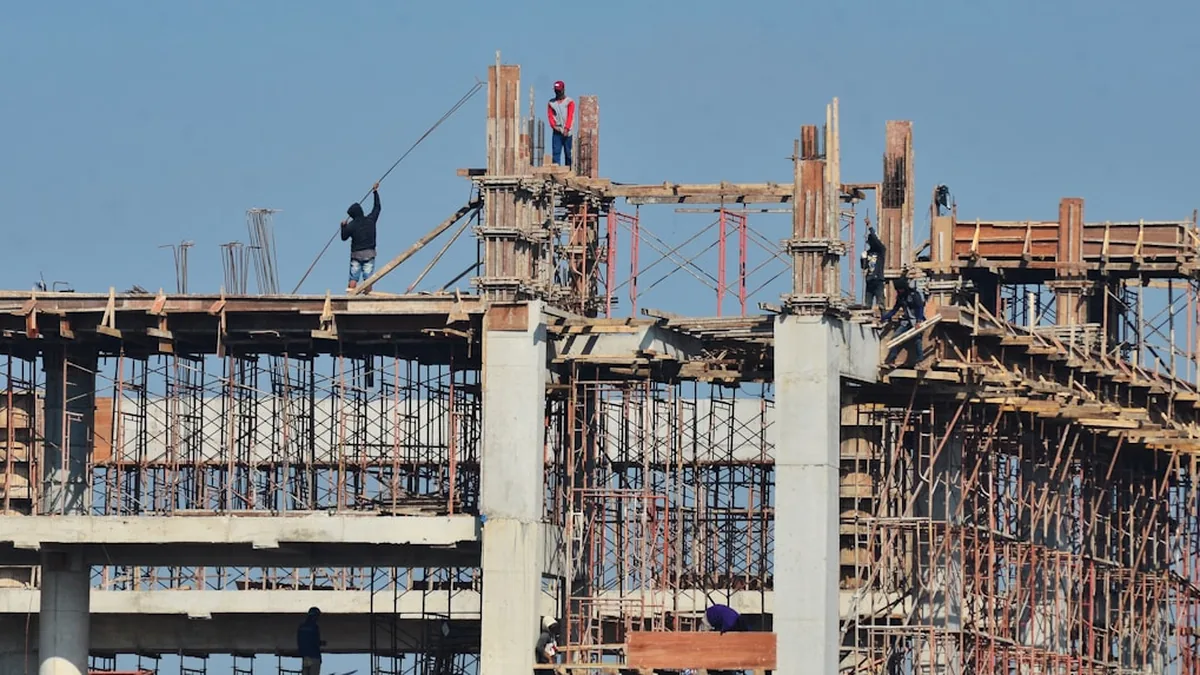
Federal funding for First Nations capital projects has never been more accessible. But for many communities, the bottleneck is not the funding itself — it is the procurement infrastructure required to spend it correctly. Without procurement readiness, approved projects stall, funding lapses, and communities lose ground they spent years gaining.
The Problem: Procurement Gaps Are Killing Approved Projects
Across Canada, First Nations communities are securing capital project approvals only to face a critical gap: the internal procurement capacity to execute. Scopes are undefined. Evaluation criteria are weak. Contracts are awarded without proper documentation. And when things go wrong — cost overruns, contractor disputes, scope creep — there is no paper trail to protect the community.
This is not a minor administrative issue. Under Indigenous Services Canada's updated Policy on Tendering for First Nations' Federally Funded Capital Projects (effective April 1, 2026), procurement non-compliance can result in project approval delays, funding clawbacks, and reputational damage with federal funders. The stakes have never been higher.
The Trend: Federal Scrutiny of Procurement Is Increasing
Canada's 2025 federal budget committed billions in new infrastructure investment to First Nations communities — through ISC, the Canada Infrastructure Bank, and Build Canada Homes. With that investment comes heightened accountability expectations. Federal funders are increasingly requiring communities to demonstrate procurement readiness before project approvals are finalized, not after.
The message from Ottawa is clear: communities that can demonstrate structured, compliant procurement processes will move faster through approval pipelines. Those that cannot will wait.
The Solution: Build Procurement Capacity Before You Need It
Procurement readiness is not a one-time exercise. It is an organizational capability that must be built, documented, and maintained. For Band Councils and Directors of Infrastructure, this means investing in procurement systems before the next project is approved — not scrambling to build them after.
XNM Technologies supports First Nations communities in building the procurement infrastructure that federal funders expect. From RFP development and evaluation frameworks to contract management and vendor oversight, we bring the discipline that protects your projects and your dollars.
Practical Takeaways for Band Councils and Directors
Audit your current procurement policies against ISC's updated tendering requirements before your next project submission.
Develop standardized RFP templates for common project types — housing, water, community infrastructure — to reduce lead time on future procurements.
Establish documented evaluation criteria that go beyond price — capability, experience, and local benefit should be weighted explicitly.
Build contract management protocols that track scope, budget, and milestones — and assign clear internal ownership for contractor oversight.
Document every procurement decision. Federal audits are not hypothetical — they are a standard part of capital project accountability.
Conclusion
The communities that will capture the most value from Canada's current infrastructure investment cycle are not necessarily the ones with the largest project lists. They are the ones with the organizational readiness to execute. Procurement is not a back-office function — it is a strategic capability that determines whether approved projects get built.
Ready to Strengthen Your Procurement Capacity?
XNM Technologies works with First Nations communities to build procurement systems that protect projects, satisfy federal requirements, and deliver results. Contact us to discuss how we can support your next capital initiative.