Housing Crisis in Northern Canada: Planning Infrastructure for Permafrost Communities
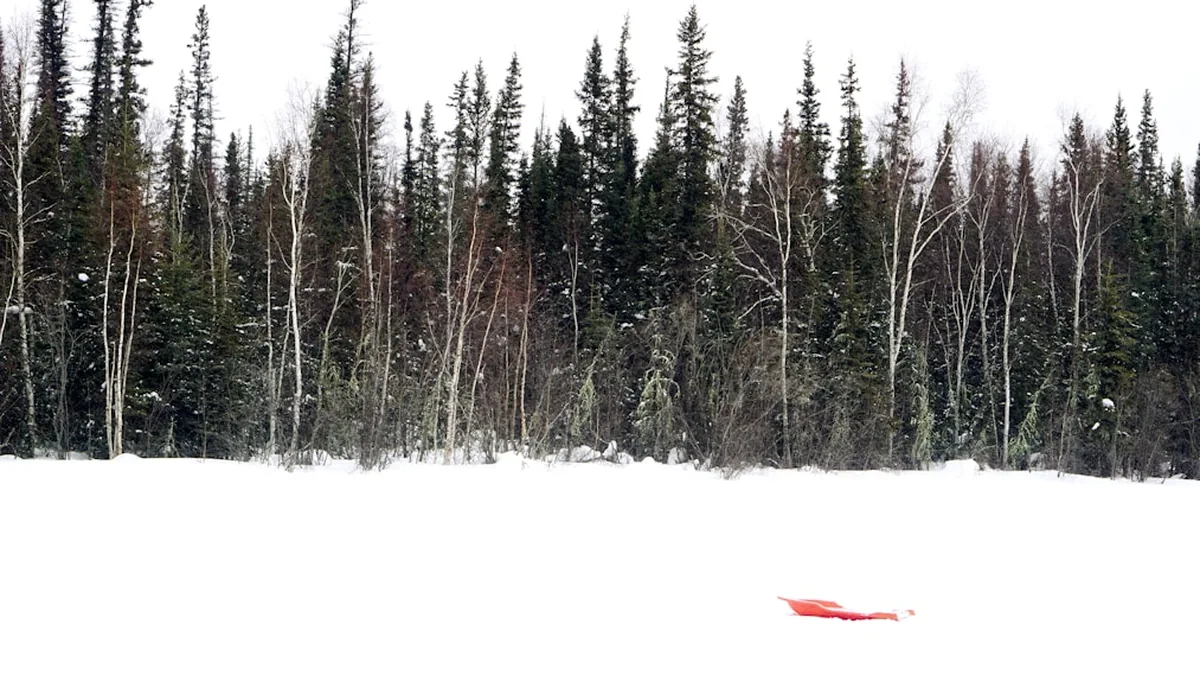
Northern Canada is warming twice as fast as the global average. For First Nations communities built on permafrost, this means that housing and infrastructure designed for stable ground are literally sinking. The housing crisis in the North is not just about supply — it is about building on ground that is no longer stable.
The Problem: Infrastructure Designed for a Climate That No Longer Exists
Most on-reserve housing in northern Canada was built using engineering standards based on permafrost conditions that no longer exist. As ground temperatures rise, permafrost thaws, and buildings shift, crack, and become uninhabitable. Communities face a compounding crisis: existing housing stock is deteriorating faster than it can be replaced, and new construction must account for permafrost thaw, which increases costs and complexity. Without proactive planning, communities will continue to lose housing faster than they can build it.
The Trend: Federal Recognition and Funding for Climate Resilience
Research from the Climate Institute and Natural Resources Canada confirms that permafrost thaw is already damaging infrastructure across northern Indigenous communities. The impacts are not theoretical — they are operational. Roads wash out earlier in spring. Water systems are stressed by simultaneous drought and flooding. Buildings designed for stable permafrost are shifting and cracking. The federal government has recognized this crisis: the 2025 Budget includes $2.3 billion for clean water infrastructure and $1 billion for Arctic infrastructure, with specific attention to climate resilience in northern communities.
The Solution: Integrate Permafrost Risk Into Planning
Communities need to integrate permafrost risk into housing and infrastructure planning. This requires three steps: First, conduct a climate vulnerability assessment that identifies which housing and infrastructure assets are at highest risk from permafrost thaw. Second, redesign new housing and infrastructure using updated engineering standards that account for thawing permafrost. Third, align capital plans with federal funding programs that prioritize climate resilience, such as the First Nation Adapt Program and the First Nations Infrastructure Fund.
Practical Takeaways for Northern Communities
Conduct a climate vulnerability assessment for your community's housing and critical infrastructure
Identify which housing and infrastructure assets are at highest risk from permafrost thaw, flooding, or extreme weather
Engage with engineers who specialize in permafrost construction to understand updated building standards
Align your housing and infrastructure capital plan with climate resilience priorities
Explore the First Nation Adapt Program and First Nations Infrastructure Fund for adaptation-specific funding
Conclusion
The housing crisis in northern Canada cannot be solved by building more of the same. Communities that integrate climate resilience into housing design and infrastructure planning will build housing that lasts, access more federal funding, and avoid the compounding costs of reactive repair. For northern First Nations, climate-ready housing is not optional — it is the only housing that will survive. XNM Technologies works with northern First Nations communities to develop climate-resilient housing and infrastructure plans. We conduct vulnerability assessments, help communities understand updated engineering standards for permafrost regions, and position communities to access federal climate adaptation funding.