Climate Resilience in Capital Projects: Integrating Environmental Standards into Infrastructure Planning
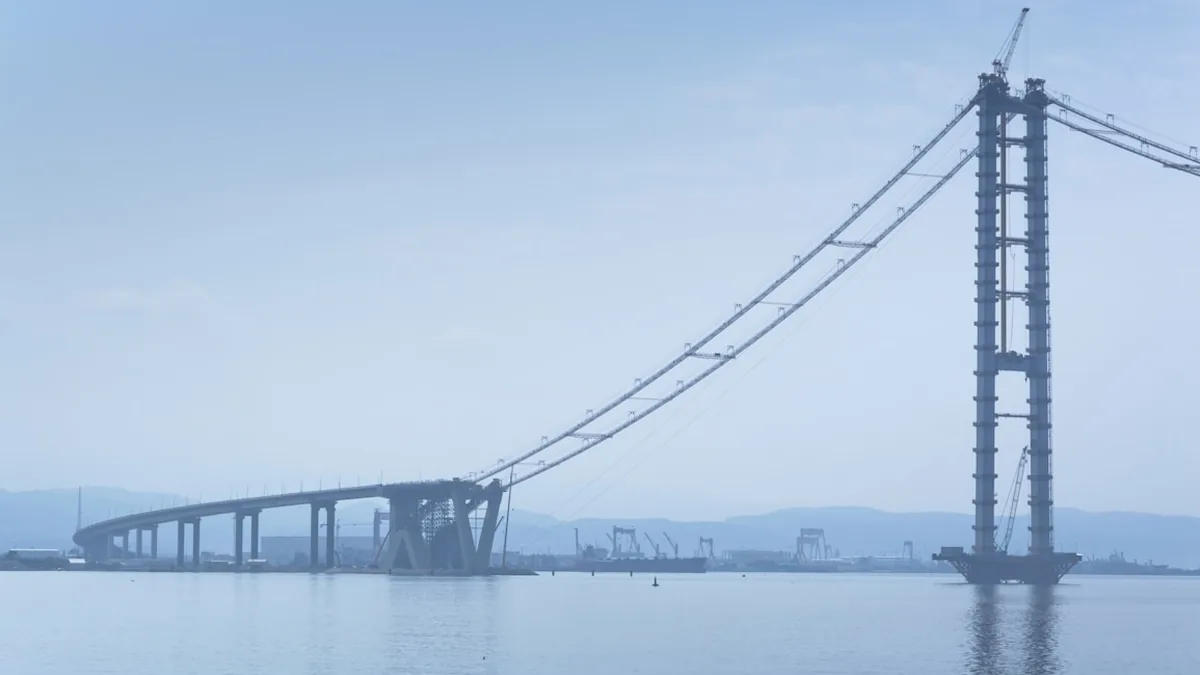
Starting in 2024, the Government of Canada integrated climate resilience requirements into all new federal infrastructure funding programs. For Indigenous communities planning capital projects, this means infrastructure must now be designed and built to withstand climate impacts. Communities that integrate climate resilience into project planning from the outset position themselves for funding success and long-term infrastructure durability.
The Challenge: Climate Impacts on Northern Infrastructure
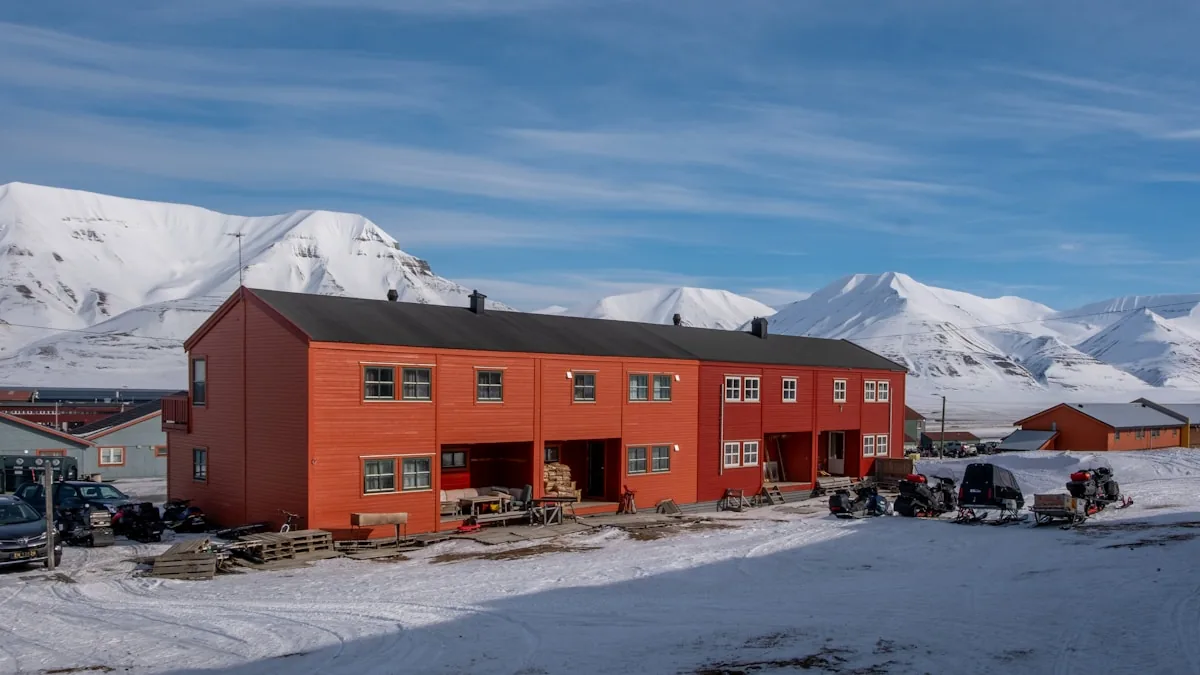
Climate change accelerates at twice the rate in the Arctic compared to global averages. For northern Indigenous communities, this means existing infrastructure—roads, buildings, water systems—becomes inadequate rapidly. Permafrost thaw destabilizes foundations, extreme weather damages structures, and changing precipitation patterns affect water systems. Communities must plan infrastructure that remains functional despite these environmental changes.
The Opportunity: Climate Resilience as a Funding Priority
Federal infrastructure programs now prioritize climate resilience. Communities that design projects with climate adaptation built in qualify for funding and ensure infrastructure remains functional for decades. Climate resilience is no longer an optional consideration—it's a core requirement for federal funding.
Climate Resilience in Practice
Climate-resilient infrastructure requires: (1) site assessment considering climate impacts, (2) design standards that account for extreme weather and environmental change, (3) material selection for durability in changing conditions, (4) operational planning for climate adaptation, and (5) monitoring systems to track environmental changes and infrastructure performance.
Integrating Resilience into Project Planning
Communities should integrate climate resilience into project planning from the earliest stages. This includes: (1) conducting climate risk assessments, (2) engaging environmental experts in design processes, (3) selecting construction standards that exceed current requirements, (4) planning for adaptive management as conditions change, and (5) developing long-term monitoring and maintenance strategies.
XNM's Climate Resilience Expertise
XNM Technologies assists Indigenous communities in integrating climate resilience into infrastructure planning. We conduct climate risk assessments, develop resilience strategies, and ensure projects meet federal environmental standards. Our expertise ensures communities design infrastructure that is both climate-resilient and eligible for federal funding.
Practical Takeaways
Communities planning capital projects should: (1) conduct comprehensive climate risk assessments, (2) engage environmental experts early in project planning, (3) select design standards that exceed current requirements, (4) plan for adaptive management and monitoring, (5) ensure project designs meet federal climate resilience standards, and (6) partner with advisors experienced in climate-resilient infrastructure.
Climate resilience is now central to infrastructure funding and long-term community prosperity. Communities that integrate resilience into project planning will secure funding and build infrastructure that serves communities for decades despite environmental change.