From Vision to Ground: Why Capital Project Governance Fails in Indigenous Communities — and How to Fix It
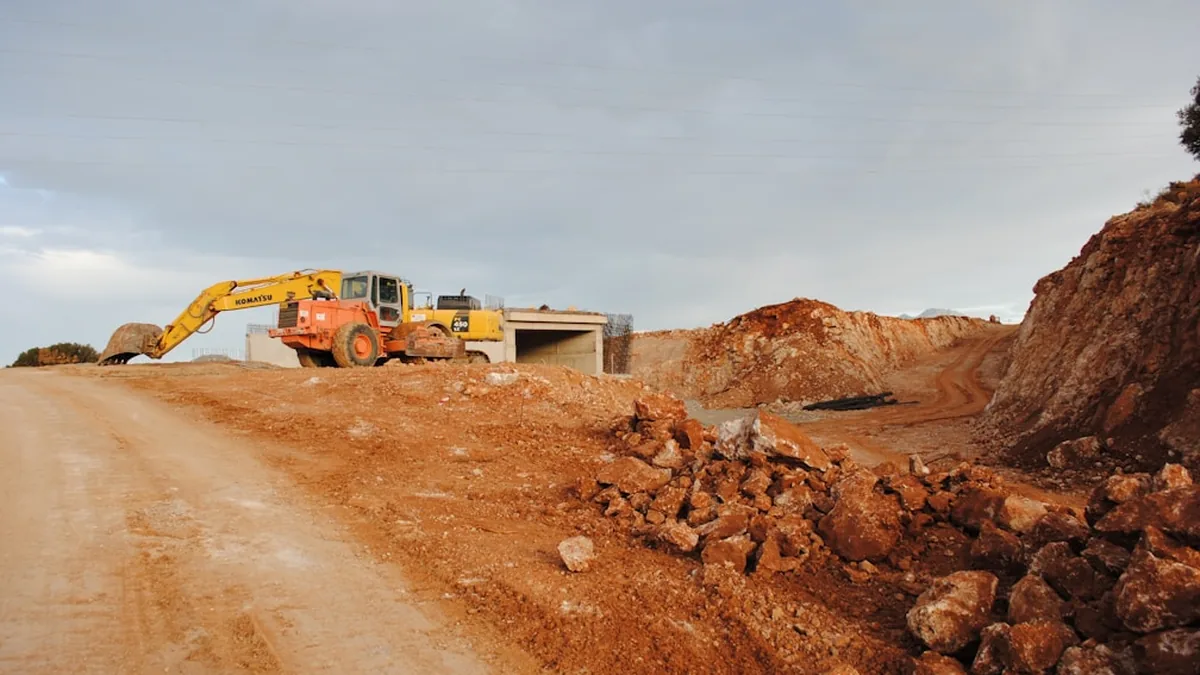
Across Canada, First Nations communities have secured funding for capital projects — housing developments, water treatment facilities, community centres — only to see those projects stall, run over budget, or fail to deliver. The cause is rarely a shortage of money. It is almost always a failure of governance.
The Problem: Governance Gaps That Kill Projects
Capital project governance failures in Indigenous communities typically follow a predictable pattern. A project is approved and funded. Roles and accountabilities are unclear. Procurement is conducted without a structured process. Contracts are awarded without proper risk allocation. Oversight is informal. When problems emerge — cost overruns, contractor disputes, scope creep — there is no governance structure to manage them.
The project either limps to completion at significant cost, or it stops entirely. Either way, the community loses.
The Trend: More Projects, Higher Stakes
With the federal government committing billions in infrastructure investment through ISC, the Canada Infrastructure Bank, and the new CILGC, the volume and scale of capital projects in First Nations communities is increasing. The Crown-Indigenous Relations 2026 Departmental Plan confirms that capital project delivery is a central priority — and that Nations with strong governance structures are better positioned to access and manage these investments.
Higher investment means higher stakes. A governance failure on a $2 million project is painful. On a $20 million project, it can be catastrophic.
The Solution: Build the Governance Infrastructure Before the Project Starts
Effective capital project governance requires four elements: clear roles and accountabilities, a structured procurement process, disciplined contract management, and active project oversight. XNM Technologies provides all four — working alongside Band Councils and project teams from early planning through to project close.
Practical Takeaways for Band Councils and Project Directors
Establish a project charter before any procurement begins — define scope, budget, timeline, and decision authority.
Assign a qualified project manager with clear accountability for delivery outcomes.
Use a structured procurement process — competitive, documented, and defensible.
Develop contracts with clear scope, milestones, payment terms, and dispute resolution provisions.
Implement regular project reporting to Council — budget, schedule, risk, and issues.
Engage external oversight support for projects above a defined risk or value threshold.
Conclusion
Capital projects don't fail because communities lack ambition or resources. They fail because governance structures aren't in place before the work begins. In an era of unprecedented federal investment, the communities that build strong project governance will deliver results. Those that don't will continue to struggle with the same preventable failures.
Is Your Next Capital Project Set Up to Succeed?
XNM Technologies provides capital project governance, procurement management, and contract oversight for First Nations communities. We work alongside your team to build the structure that gets projects delivered. Contact us to discuss your next project.